By: Lana Henderson
Banerjee and Duflo discuss how micro-credits help communities by giving small loans at low interest rates so that small businesses have the ability to stay open. These micro credits are meant to help people begin to think in the long term rather than being limited by short term money restrictions. Though one thing this fails to take into consideration is the poverty trap that keeps saving many times from being a realistic goal. There are many problems that can occur that would require people to use money they have been saving. Duflo and Banerjee discuss how long-term saving may not appeal to poor communities due to the long term planning and the amount of short term temptations that occur. They further discuss how money doesn’t necessarily create the answer to the problems these small businesses are facing that are delaying their ability to expand. There is also an issue when observing how people react when they are unable to repay their loans. I agree that micro credits are in theory a great idea to help small businesses stay afloat but I feel like the issue of just throwing money at things when not really addressing the issues that are creating the problems is commonly overlooked. There is not a lack of aid it seems but rather a lack of institutional change, if you keep putting money into a system that isn’t producing or affective then really it’s just a waste of money that could instead be used to invest into the problems that are limiting these businesses from being able to expand and grow successfully.
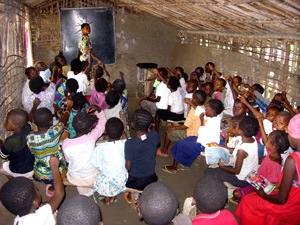
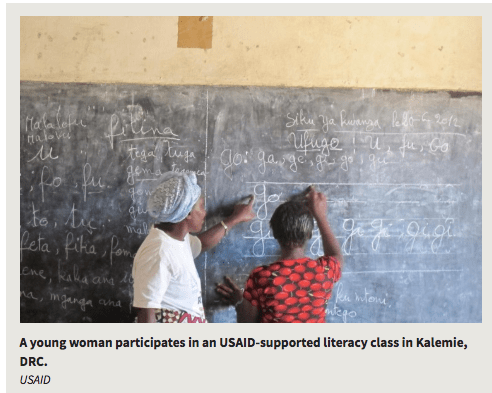
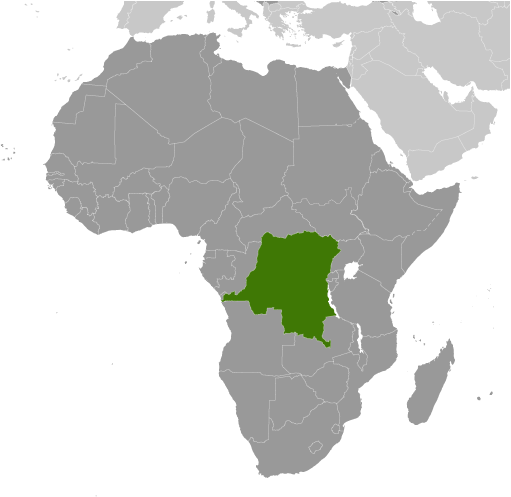
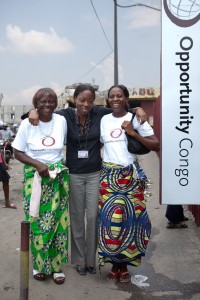
Opportunity DRC is a group that works with micro credits and financing in the Democratic Republic of the Congo. One thing that this program does that is very thoughtful is training on savings and loans to small business entrepreneurs and their families. So that they can gain financial literacy and learn more about what to do to successfully invest their money into their business rather than simply giving them a loan and expecting these communities to understand what this is or what to do with it. They also have a majority of woman owned businesses they support which is commonly shown that women are the missing link needed to uplift their communities. They have had 5 women graduate from the Goldman Sachs’ Emerging Leaders program. They also provide information past financial literacy teaching communities the importance of nutrition and healthcare. The real worry those is that even a company such as this one is that they are still working small scale and with less than 50 employees their impact can only reach so many people at a time. Programs like these that target overall rather than just focusing on one aspect of the problem does show a lot of promise because of the problems listed above about micro financing where people who are unable to save at the rate, they need to due to having other aspects of life that interfere.
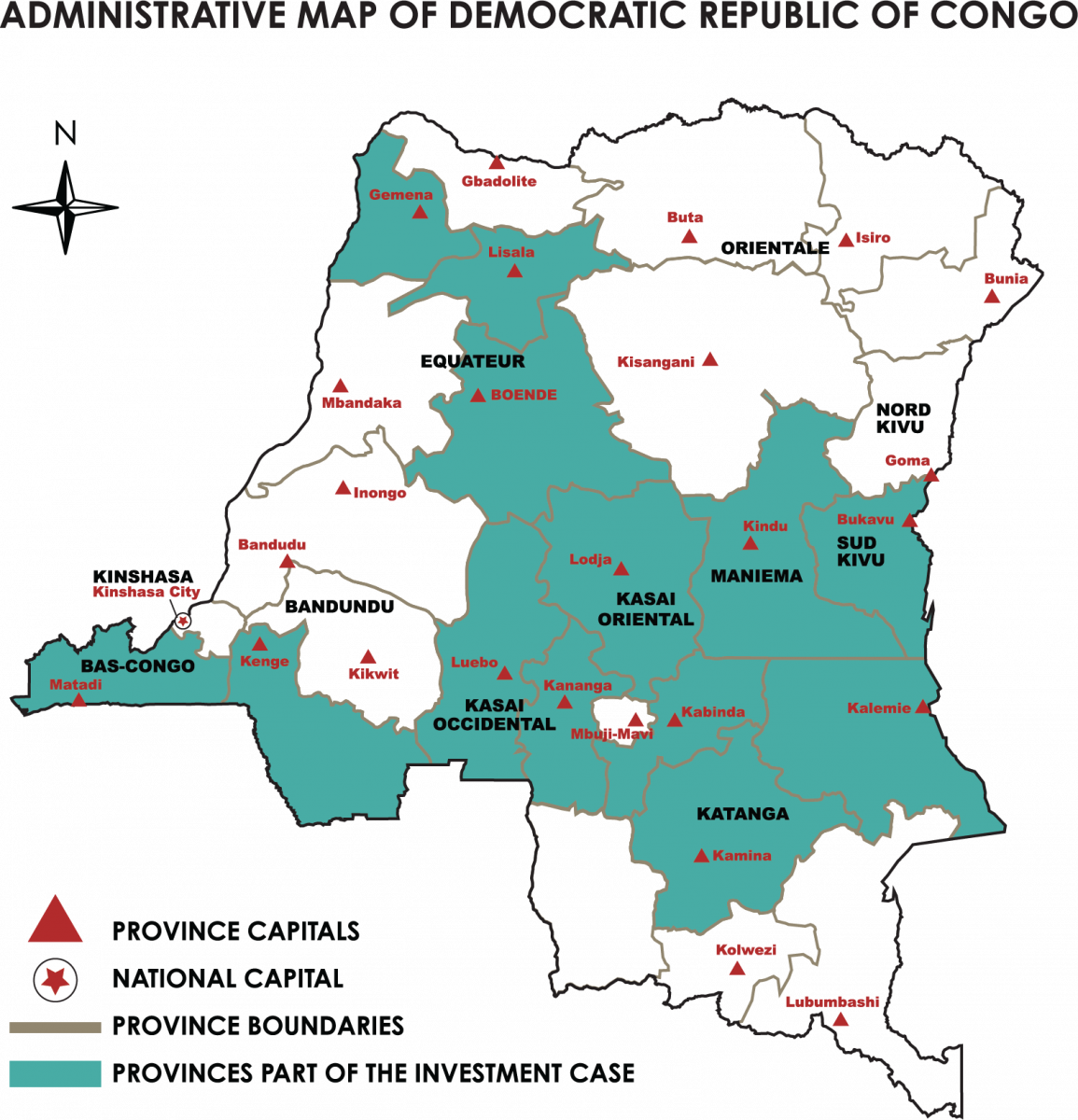
Another company that is working on improving things is the Global Financing Facility, GFF, which looks at provinces within the Democratic Republic of the Congo with the worst health and socioeconomic indicators as the region it targets with programs for help. There is a need to look at how to better finance all the problems associated with high costs of healthcare in those areas. Part of this includes financing essential vaccines, safe home-based management of diarrhea, services to support victims of sexual or gender-based violence, a sanitation and hygiene program and other things. They try to limit the problems see with other aid by changing investment plans into a program aimed at seeing results through continual contribution with program and frameworks to be followed from investors who are known to interact as international organizations who have economic stakeholders throughout the world. There are hopes that the investment returned is improved health, nutrition, family planning and health system strengthening.
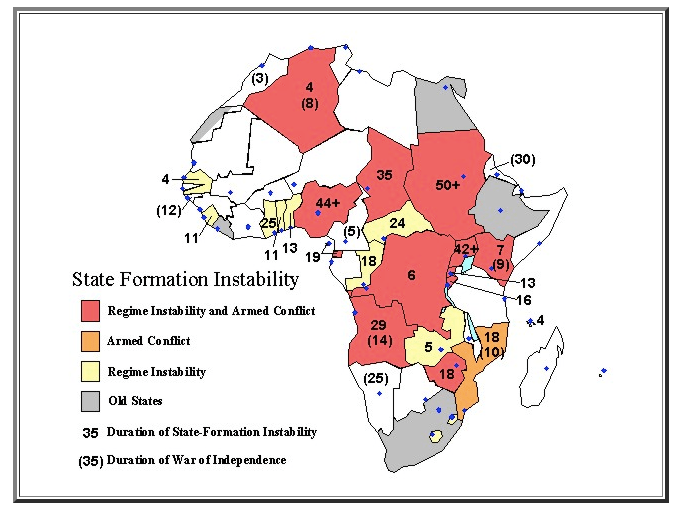
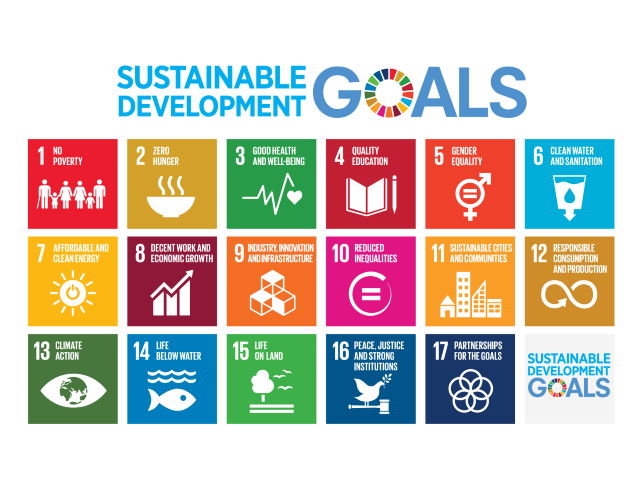
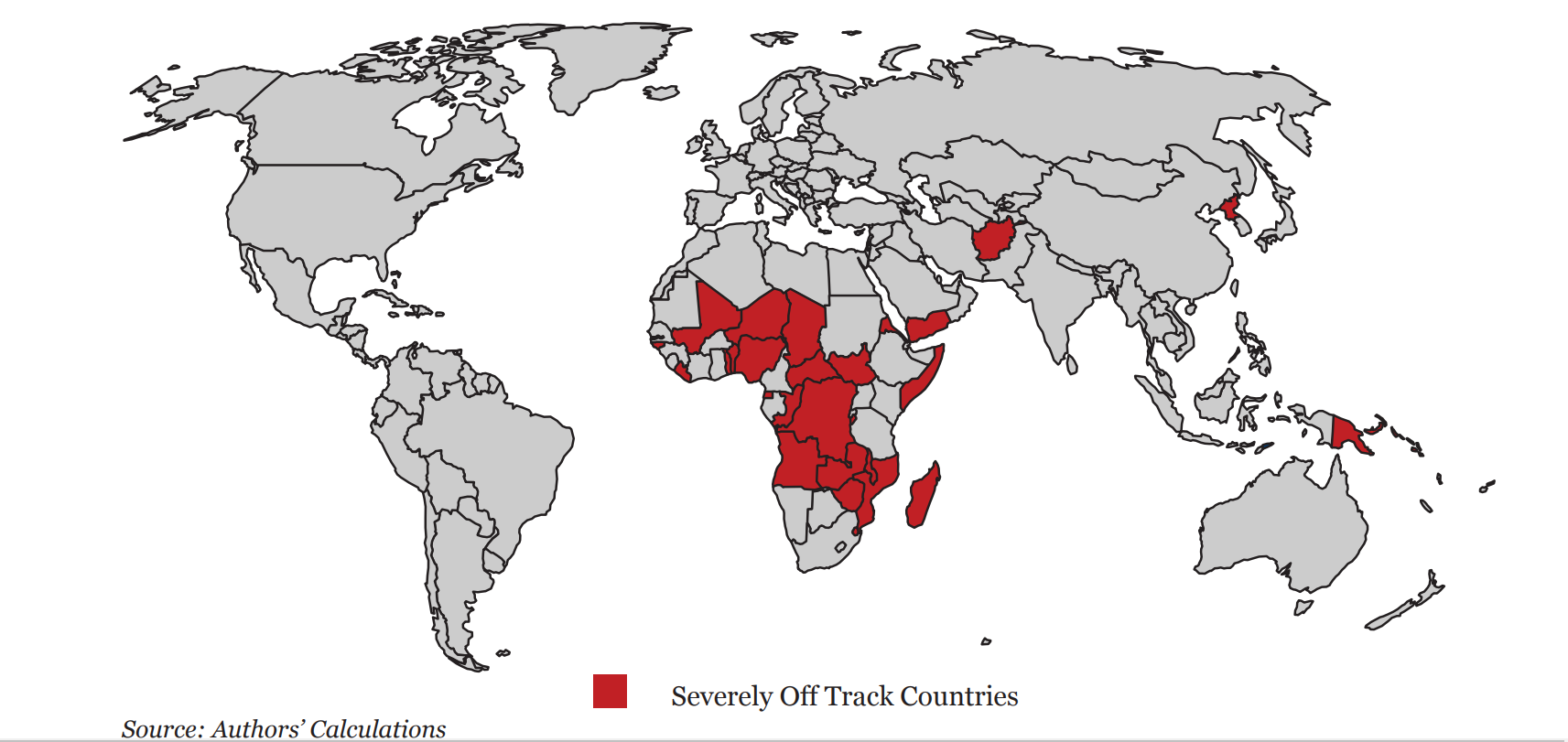
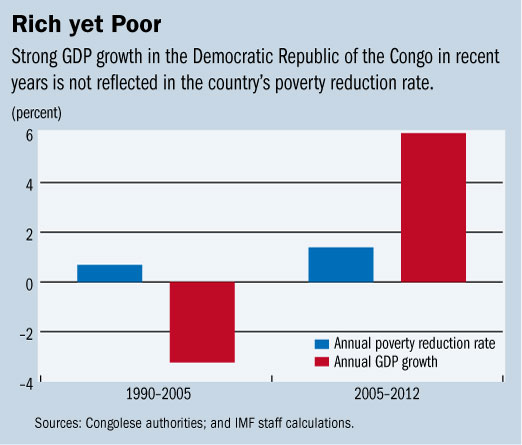
The Bookings article discusses some the ways that aid can fall off track for certain countries and though there has been a notable decrease in the amount of poverty listed through SDG goals there are certain areas that have made major impacts to this number while others are not having the same fate. Under the choice of the western aid companies there are certain countries that are known as donor darlings that receive a lot of international attention and aid and may be said to have a better chance at success than donor orphans who are not as often given the continual and consistent attention that the darlings get to benefit from. My country the DRC is noted on the list of countries that are not currently making a lot of improvements when it comes to decreasing their poverty or the other implications that are associated with the sustainable development goals. There is a lack of progress being made it seems for both countries who are not making the noted progress and those who are where you can see in the early 2000s they experienced a dip in the success that was followed by a rise in the amount of successfully implemented projects targeted at poverty reduction.
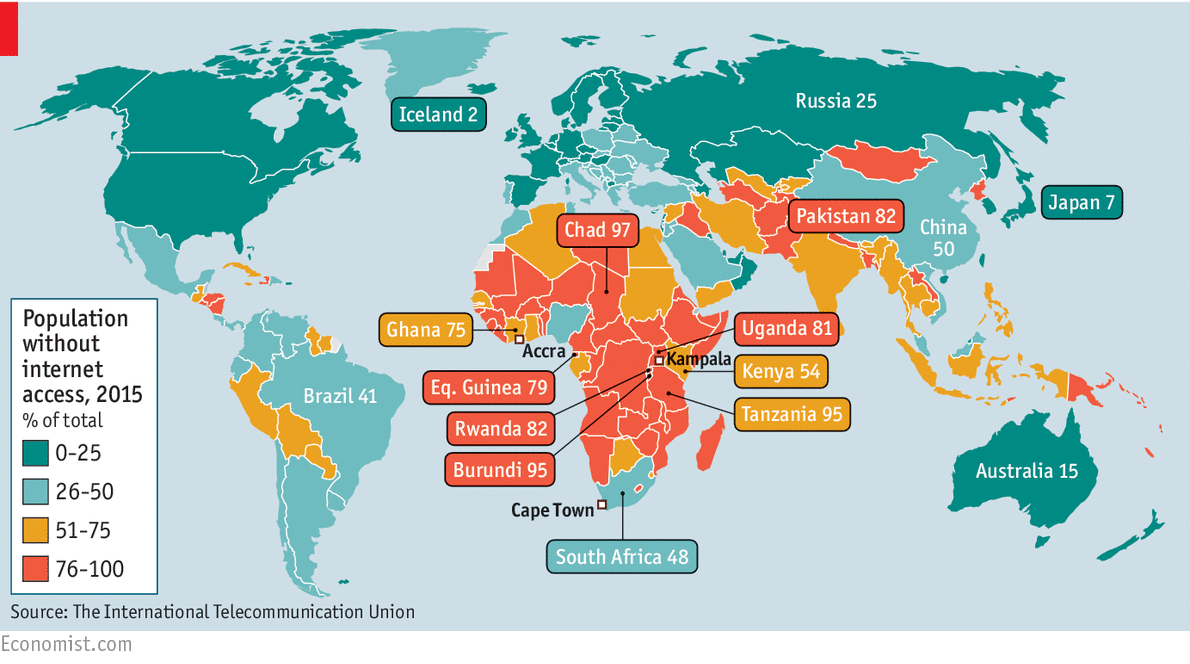
E-commerce has not had the ability to take off greatly in the DRC if given the chance it has the potential to boost the GDP. There has been reports that connect the growing youth population with a high mobile connect and handheld technology that is working better at connecting them to e-commerce. The DRC holds a lot of their job field from titanium mining which is later used to create a large range of mobile devices. There are currently not any big operating e-commerce companies, but this is not to be confused with them not engaging with this market. There has been interaction with international e-commerce and buying from platforms such as Amazon. In 2015 the country began to see a small rise of some e-commerce countries. There is still some problem with government regulations that lay out specific guidelines on how communication technology and information is set to be used within the conditions of the country. They have made technology information more of a priority proven by the networks that have popped up all around the DRC targeted at creating high speed internet.

The article discusses the ways that the same countries who are pouring aid into Africa are also taking from Africa at a much higher rate than contributions. There is a lot of money coming into Africa through aid but a lot of this can turn into debt because it is put into government or private sectors that is not being able to go through the same sectors that would promote investment rather than aid with the interactions that are already occurring through the amount of capital being taken out either through wildlife, natural resources, or tax breaks that corporations seek in these areas though majority of their money goes back to their host countries rather than these African countries. The private sector would be areas such schooling that then loses the ability for public schools to receive the same kind of attention that these areas are going to benefit from. Due to the amount of money and capital that is able to flow out of Africa there is a very big amount of control that this is allowing western corporations and governments to get a stronghold. This means that encouraging them to enter unfair markets or only giving money based. The general discussion that this author offers is that it’s about the way we discuss and interact with Africa in turn affects the way that investors and aid is seen in its interaction. We are not looking at the fact that many African countries are talked about in a way that doesn’t make them attractive to many of outsides investments and instead makes them seem like a wasteland for aid money with no notable improvement.
Resources
Dearden, Nick. Africa Is Not Poor, We Are Stealing Its Wealth. https://www.aljazeera.com/indepth/opinion/2017/05/africa-poor-stealing-wealth-170524063731884.html. Accessed 26 Feb. 2019.
Democratic Republic of Congo | Global Financing Facility. https://www.globalfinancingfacility.org/democratic-republic-congo. Accessed 26 Feb. 2019.
Kharas, Geoffrey Gertz and Homi. “The Road to Ending Poverty Runs through 31 Severely off Track Countries.” Brookings, 13 Feb. 2018, https://www.brookings.edu/blog/future-development/2018/02/13/the-road-to-ending-poverty-runs-through-31-severely-off-track-countries/.
“Opportunity DRC in Kinshasa Grows, Expanding Services in Congo.” Opportunity International, //opportunity.org/news/blog/2011/07/update-opportunity-drc-in-kinshasa-grows-expanding-microfinance-to-more-people-of-the-congo. Accessed 26 Feb. 2019.
Reluctant Entrepreneurs | Poor Economics. http://www.pooreconomics.com/chapters/9-reluctant-entrepreneurs. Accessed 26 Feb. 2019.