By Jacob Feist
Part 1: Steven Radelet analyzed seventeen countries experiencing strong economic growth in Africa. Radelet theorized the factors creating this growth and labeled them as “good news”.
These factors include:
- The rise of more democratic and accountable governments: The African economic collapse in the 1980s caused citizens of Africa to question the authority of their dictatorial leaders. As these leaders lost financing and influence, shifts in the government occurred. By 2008, 23 countries in Africa were controlled by democratically elected governments. Moreover, these democratic governments have been diligent in adhering to political and civil rights.
- Implementation of more sensible economic policies: The economic crisis also caused reductions in the government’s ability to utilize debt financing. Additionally, the change from dictatorships to democracy prevented political leaders from abusing budgets and misusing finances. Hence, the combination of progressive economic reform and a lower reliance on borrowing created positive economic change.
- The end of the debt crisis and mending relationships with the international community: The reduction of borrowing in post-economic crisis Africa forced countries to manage their debt. Today debt levels are significantly lower allowing for more economic flexibility. This reduction in debt also created a reduction in tension towards lending entities.
- The spread of new technology and business and political accountability: Increased use of cell phones and internet have allowed for faster dissemination of information. This increased access to information has allowed citizens to create political and business transparency.
- A new generation of policy makers, activists, and business leaders: The new age of Africa’s young leaders are typically experienced with technology and globalization.
Part 2: This concept of change within Africa can be seen on nearly every scale. Beyond change occurring within countries, localized change is occurring within African villages. The Millennium Village Project (MVP) is a prime display of this local change. This project works to eradicate poverty in selected African villages using a variety of potential solutions. Two villages highlighting their efforts are Pampaida, Nigeria and Koraro, Ethiopia.
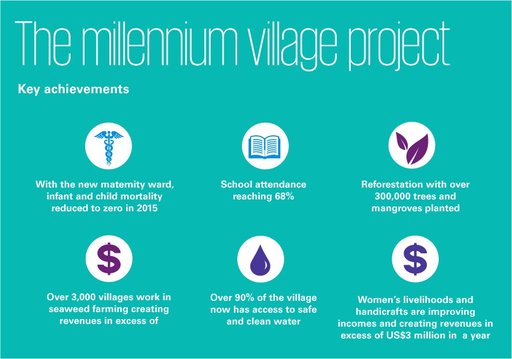
Pampaida, Nigeria was selected in order to reduce the mass desertification ravaging the village’s agriculture. The goal of this village was to utilize the 400-600 millimeters of annual rain to develop stronger agriculture programs. Furthermore, this goal plans to capitalize on the village’s large population of farmers and cattle raisers. So far, MVP has assisted in shifting farming to a more commercial approach. This includes helping farmers receive external financing and a local food market. Pampaida now has rice farms near the local river, their output of maize has increased by over 337%, and there has been a 30% increase in drinking water. The result of this has been a sharp reduction in malnutrition and child mortality.
In 2009, the program in Pampaida expanded and brought education and malaria prevention programs to the village. MVP instituted a CEW program, which helps develop education programs, mentors, and teacher training programs. This saw Pampaida’s population go from having just over 400 students to having 1,602 students. MVP was able to finance these school initiatives using donations from the commercial food program and donations from the State Universal Primary Education Board. Additionally, a clinic was installed in Pampaida to thwart the spread of malaria and HIV.

http://millenniumvillages.org/the-villages/pampaida-nigeria/
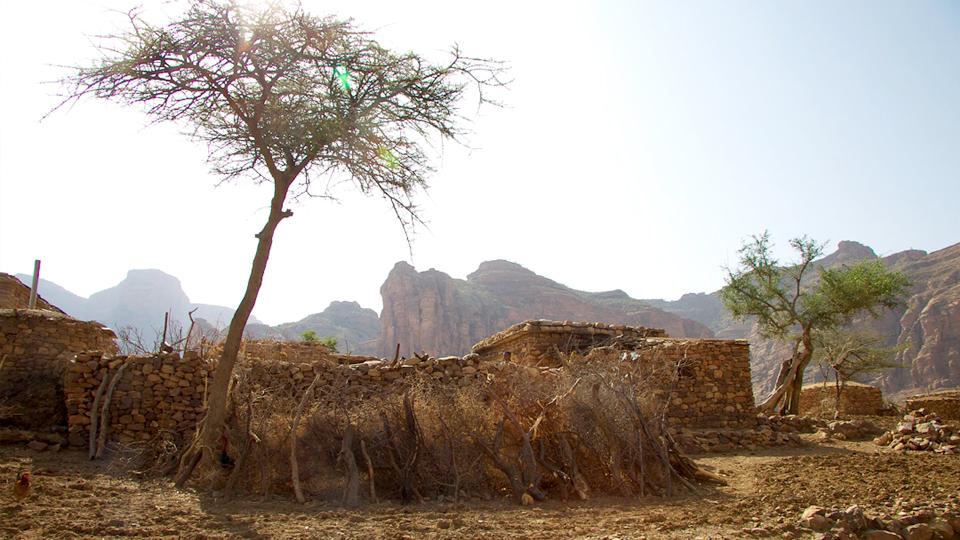
Koraro, Ethiopia was selected due to extreme poverty, lack of water, widespread malaria, high mortality rates, and lack of education. These factors were amplified due to the village’s location in the Koraro cluster, the poorest region in Ethiopia. MVP succeeded in three core efforts in Koraro, irrigation, gender equality, and business development. MVP partnered with Columbia University to create a rainwater harvesting system that brought fresh water to the village. Moreover, they created dairy farm jobs for 80 women. Finally, MVP helped install a beekeeping program with 1200 colonies, which allows the village to sell honey.
http://millenniumvillages.org/the-villages/koraro-ethiopia/
While the programs made a positive change, many argue the change should not be attributed to MVP. This is because numerous sources revealed that Sachs, the mastermind behind MVP, doctored numbers, and created unreliable analysis. In any reliable study, there must be control factors to compare MVP success in a village against success in a village without MVP. The initiative has no such method; thus, their information is without basis. This combination of manipulating statistics and unreliable comparisons makes it difficult to fully endorse MVP. This creates a deep personal conflict. I commend the efforts of MVP. The increase in education and positive utility is evident. However, I believe any aid effort must make every effort towards transparency. Every action taken by MVP has an opportunity cost, dollars spent, time used, recourses consumed that could have been used elsewhere. If there is no reliable method to ensure that these assets are creating positive change, then perhaps they should be allocated towards other programs or initiatives.
Sources:

