BLOG POST 12 – MUSLIM YOUTH AND THE FUTURE OF EUROPE
By Jacob Feist
Part a: An overview of Muslim Youth in Europe
Struggles and Identity in Europe
In the book, “Islam, Europe’s Second Religion”, Peter Mandeville outlines the complicated and precarious topic of Muslim Youth in Europe. Mandeville explains that there must be a distinction in explaining the plight, progress, and outlook for Muslim youth because their experience will invariably be different than their parents. Many of the youth are second or third generation and consider themselves integrated part of European society. Thus, when topics of Muslim discrimination arise, there is a duality forced upon them between their European home and their religion. This struggle is amplified by those Muslim youth that have prioritized and focused on their religion. This youth group uses their religion has self-identification, but also in forms of social action.
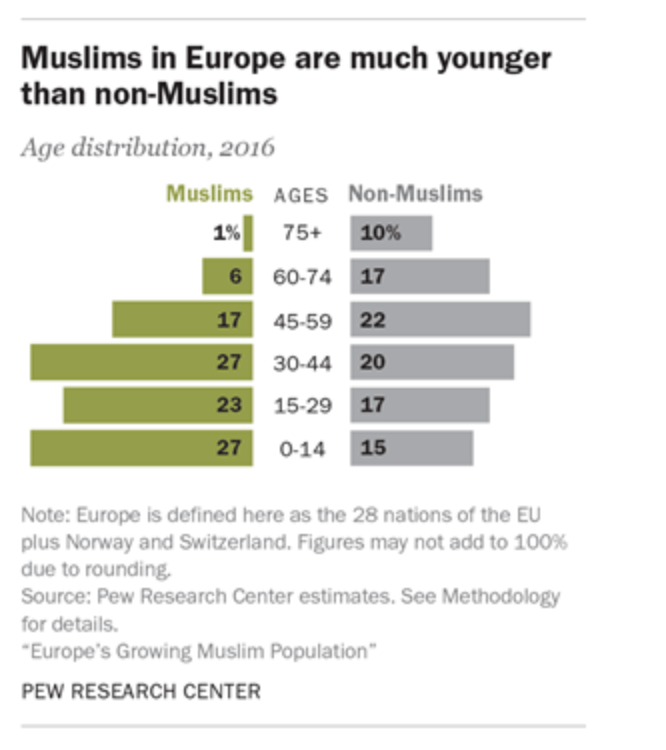
What role does discrimination play in the formation of Muslim youth identities?
The duality mentioned above is an enormous burden for any young person. Thus, many young Muslims feel that Europe has not been an easy place to call home. There is the constant imagery issues mentioned in the post 11, proliferating stereotypes and creating barriers. Moreover, there is the constant pressure for youth to conform to their society, which is a harsh reality for young Muslims. Thus, many Muslim youth struggle with this conflict. They view assimilation as cultural abandonment and religion as conflict with Europe.
Making this decision more difficult is the idea that assimilation into to European culture may not be possible, or invited, with all groups. There are undoubtedly issues with islamophobia and discrimination in Europe. This presents the idea that potentially assimilating is betrayal. Moreover, it makes the idea of assimilation seem unwelcomed. It is tragic that these ideas and decisions are thrust onto Muslim youth. Rather than being able to naturally form their own religious identity, they are forced to create an identity based on conflict, discrimination, and cultural dualities.
Part b: Assimilation, Communitarianism, or New modes of integration
In the concluding portion of, “Islam, Europe’s Second Religion”, the modes of integration are outlined. Shireen Hunter explains that those in favor of assimilation focus on European culture. They feel that Muslim citizens should focus on their citizenship and blend into society. They should not allow their religion to create conflict, it should remain a household focus. Communitarianism believes in a blend of religion and culture. A society in which the two interact, acknowledge each other, and act in a harmony. Those that prefer a more European focus can do so, those that prefer a religious lifestyle may also peruse those goals. The key is that these groups engage and discuss with themselves and external parties.
There is no correct method, preferred method, or perfect method. Yet, this will inevitably be a decision for most Muslim youth in Europe. It appears ever more likely that even those that choose assimilation will be brought into communitarianism. This is because Muslim is a reality of European life and a part of Europe’s future. It will be a topic discussed in politics, households, and schools. The conversations will occur and eventually Muslim youth will be forced to be part of that conversation.
Part c: Malik’s “Diversity Myth”
Kenan Malik explains that the Diversity Myth is a concept that has existed within Europe for centuries. It is the idea that despite public efforts towards integration and multiculturalism there has always been perceptual differences towards immigrants. This is because multiculturalism focuses on the integration and blending of cultures. Yet, this requires sacrifices and acceptance from the native group, which typically breeds resentment. Thus, extending from Victorian France until today, native groups that have the same values, interests, and socio-economic status, as immigrants will still view immigrants as the “other”. Rather, native groups prefer assimilation, where a culture joins the native population and sacrifices its own culture.
Kenan Malik’s follow-up article in his “Europe’s Furies” anthology
Part d: Sajan
In Jainism, there is a concept, “Anger begets more anger”. It is the idea that hate breeds hate, resentment creates frustration, and any conflict only serves to create more conflict. It is not a revolutionary concept, but it is one worth noting as it is ever-relevant and often forgotten. Moreover, it is an idea very relevant to Sajan’s article, which outlines the origin of Europe’s homegrown terrorism. She explains that the countries that experienced an influx of Muslim immigrants are now dealing with the ramifications of racism, ostracism, and lack of integration. She explains that those marginalized by society have lost their identity and found solace in hatred. It is a tragic truth that by no means justifies the actions of those that commit crimes of terrorism, but highlights the dire need for integration and empathy in these trying times.
Sources:
Malik, Kenan. “The Failure of Multiculturalism.” Foreign Affairs, Foreign Affairs Magazine, 19 Feb. 2019, http://www.foreignaffairs.com/articles/western-europe/2019-02-18/failure-multiculturalism.
Sajan, Thomas, and Titto Idicula. “Decoding Europe’s Homegrown Terror.” @Businessline, The Hindu BusinessLine, 12 Jan. 2018, http://www.thehindubusinessline.com/opinion/decoding-europes-homegrown-terror/article9718569.ece.
“12 & Conclusion.” Islam, Europe’s Second Religion: the New Social, Cultural, and Political Landscape: by Shireen T. Hunter, Praeger, 2002.
Blog Post 11 – The Conflict of Immigration and Integration
By Jacob Feist
Part a: Intercultural Confrontation and Intercultural Compatibility Impact Conflict Transformation
Conflict transformation is the idea that one can alter perception in order to create a changed reality. This term typically applies to racial and religious conflict between two groups. If one can change the conversation, the dynamics, and the imagery associated with a certain group then they can also change the relationship with that group. Thus, this tool has been employed as a potential system to ease tension between conflicting groups.
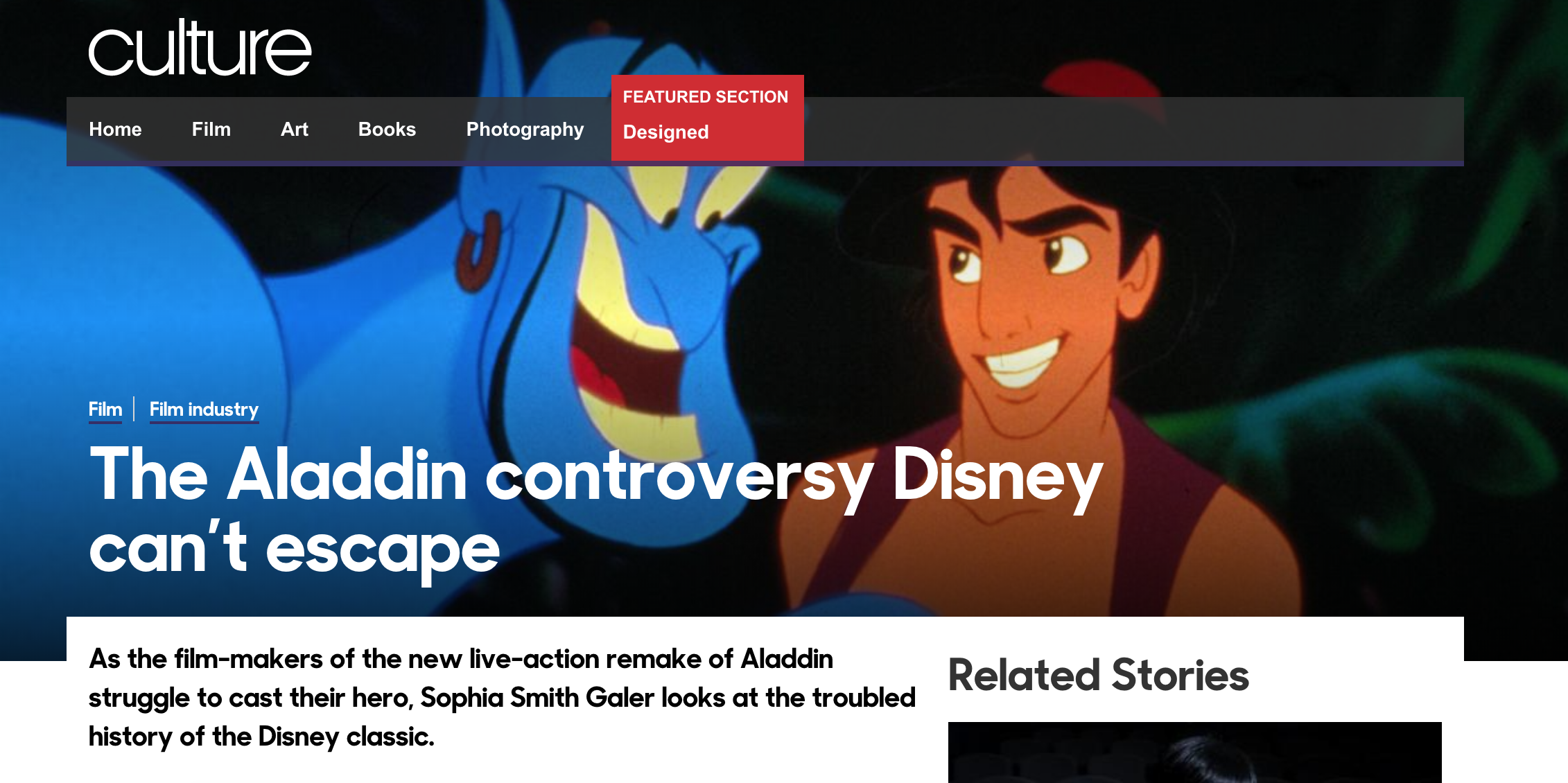
http://www.bbc.com/culture/story/20170714-the-aladdin-controversy-disney-cant-escape
Authors Nathan Funk and Abdul Said explain conflict transformations impact and capabilities in the landscape of Western relations with the Middle East and Arab communities. They outline that negative imagery associated with Muslim communities and the Middle East have permeated Western Culture. Despite mutually beneficial trade scenarios and growing diplomacy, imagery towards the Middle East still seems generally negative. Many mediums paint the region as either conflicted or archaic with war-leaders wielding swords and caravans trading goods. Others display a region of desert with romantic scenery and opportunity for adventure. Regardless, the common theme is that the Middle-East is shown as a symbol of the “other”.
The “other” is the concept that those not like us are in conflict with our ideology. This idea tends to breed contempt and distance between two groups. Thus, narratives of struggles between the west and east, or conflict of culture, serve to reinforce this idea of otherness. It is the belief of the Funk and Said, that they harm the ability for a group to attain conflict transformation in a new society. Moreover, as a firm believer in the idea that perception often shapes reality, I agree with their thesis. Art is typically a reflection of society, or society a reflection of art. Hence, if we are constantly shown imagery of two groups in opposition, the society will view that group as the opposition.
Part b: David Frum on Immigration in the U.S.
In David Frum’s article, “How Much Immigration is too much” he outlines the many complexities impacting the American debate on immigration. He begins by outlining the current landscape of immigration in global context. Simply, immigration is rising as more people seek opportunity and react to displacement. Thus, the context of the debate has changed and become more divisive. Many citizens are reacting with frustration that the geographic make-up of their nation is changing. A frustration that is compounded due to a lack of proper immigration policies and integration systems within their nation. This can be seen in countries such as the United States, France, and The United Kingdom. However, the other side of this debate has also become more prevalent. Many argue that America, and other first world nations, are responsible for the well-being of the global community. They advocate for allowing more immigrants, more lenient policies, or completely open borders.
The problem with this debate is that is has become more divisive and toxic over the past few years. Moreover, this toxicity has allowed for politicians to bend immigration to fit their agenda. Many liberal politicians claim that those against open borders are enemies to humanitarian efforts. On the other hand, more conservative politicians use immigration as a tool for fear. They explain that immigrants will steal their jobs and way of life. They explain that bringing in an uneducated population will halt development and drain recourses. Unfortunately, in today’s trying times the conversation has become more hostile. This is especially frustrating because it is more crucial now than ever to have these conversations. As immigration rises there will need to be a clear system outlining the number of immigrants allowed and the process for integration. Yet, neither side appears willing to make concessions. Rather, it appears the opposite is occurring.
Frum explains that neither side is necessarily right or wrong. Clearly humanitarian issues need to be addressed, but economic issues should be considered as well. There are legitimate benefits to immigration: greater diversity of ideas, new entrepreneurial mindsets, lower crime statistics. However, there are also legitimate challenges approaching: aging immigrant populations, lower average skill levels, lower government and corporate accountability. Thus, as these issues go unaddressed more fear rises in the native populations, further dividing the two sides. Furthermore, as more fear grows people will elect and advocate for more radical leaders and closed policies. As a result, Frum concludes his article, “If liberals insist that only fascists will enforce borders, then voters will hire fascists to do the job liberals refuse to do.”
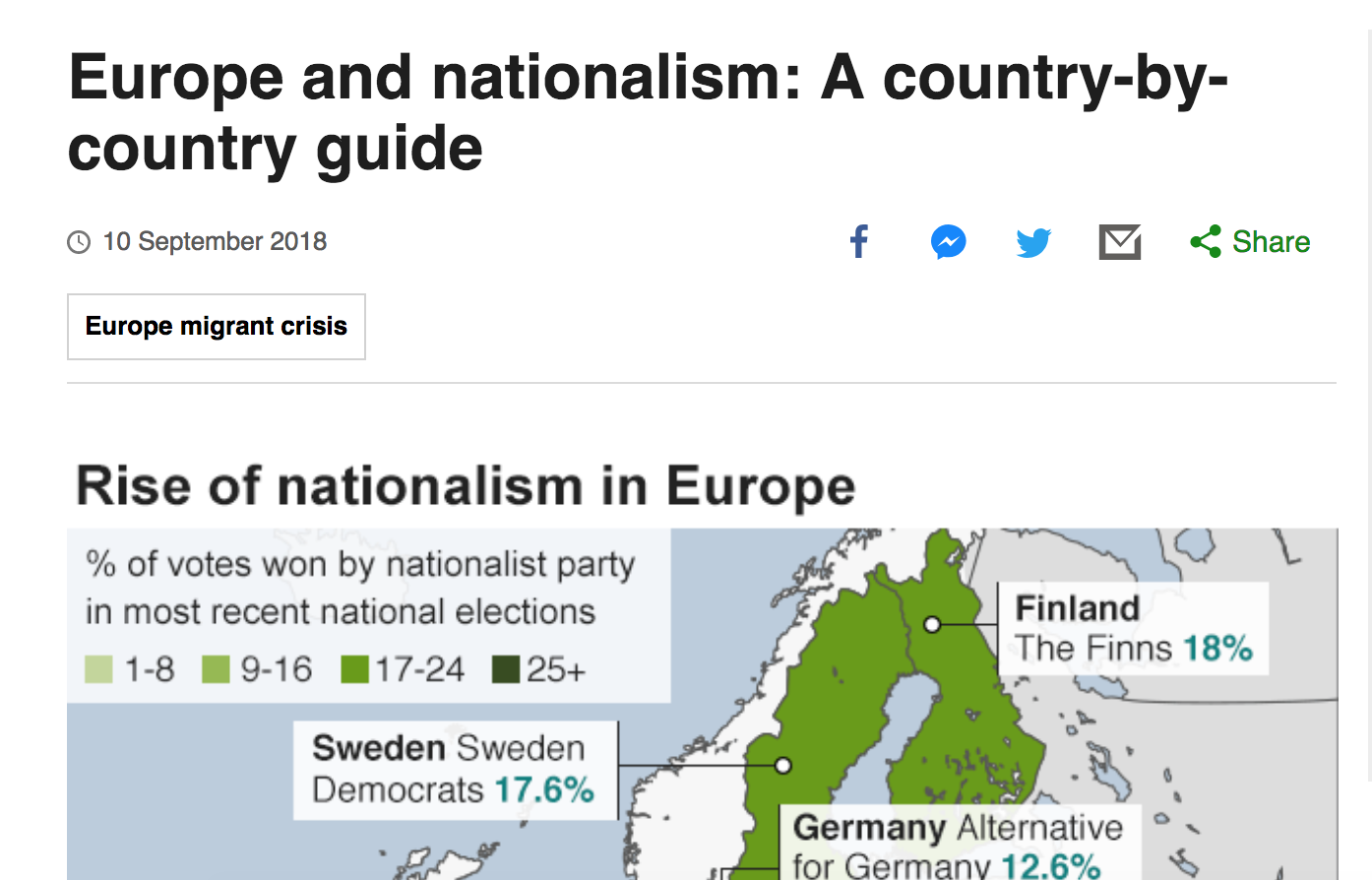
https://www.bbc.com/news/world-europe-36130006
I agree with Frum’s thesis. We see more countries elected anti-immigration leaders. This is because people fear ambiguity. Until we have more policies directed towards integration, immigration will remain ambiguous. Hence, there needs to be finite policies in place that outline numbers of immigrants, reasons for immigration, and systems for integration. However, this funnels directly back into Frum’s article. There is no proper discourse in today’s political environment. This creates a vicious cycle immigration policy never changes, the two parties refuse to make concessions, and the two sides become more radical. This is made more challenging because immigration is human issue, one that is complex in cause and function.
Sources:
“Europe and Nationalism: A Country-by-Country Guide.” BBC News, BBC, 10 Sept. 2018, http://www.bbc.com/news/world-europe-36130006.
Galer, Sophia Smith. “Culture – The Aladdin Controversy Disney Can’t Escape.” BBC, BBC, 14 July 2017, http://www.bbc.com/culture/story/20170714-the-aladdin-controversy-disney-cant-escape.
Frum, David. “If Liberals Won’t Enforce Borders, Fascists Will.” The Atlantic, Atlantic Media Company, 11 Mar. 2019, http://www.theatlantic.com/magazine/archive/2019/04/david-frum-how-much-immigration-is-too-much/583252/.
Funk, Nathan C. and Said, Abdul Aziz. Islam and the West: Narratives of Conflict and Conflict Transformation. International Journal of Peace Studies, Volume 9, Number 1, Spring/Summer 2004
Blog Post 10 – Law and Order
by Jacob Feist
Part a: The foundation of the current fundamentalist jihadi movement
The jihadi movement stems the word and ideology of Jihad. It refers to the idea that one should fight within oneself to prevent sin and promote purity. However, it also pertains to the protection and proliferation of Islam. These definitions are specific enough to create cause, but vague enough to leave interpretation. Thus, you have many different extensions of Jihad. Many view it as a method to abide by the laws of the Quran. These interpretations usually stem from Muhammad’s proclamation upon his return from war. After defending the Muslim community through war, he returned home and explained that he must now focus on the “greater Jihad”. This being a reference to the internal struggle over studying, overcoming anger, and being an active and productive member of a Muslim community.
However, a more sinister interpretation has also been derived from the text. One that emphasizes the definition of Holy War. This sector believes that violence against those that would oppose Islam is the true calling of Jihad. As conflict and tension rose in the Middle East, these groups grew in number and influence. Eventually, they adopted aggressive recruiting techniques focused on susceptible at-risk youth. These groups then educate and radicalize new members into committing violent acts against those who do not obey Jihad. One of the most harrowing and vivid depictions of this process is told by Manwar Ali. He explains the historic background, the methods employed by the fundamentalist jihadi, and the impact it has on himself and the international community.
Part b & c: Sharia Law, Fundamentalists, & Punishment
Sharia law is a set of laws outlined by the Quran designed to help guide Muslims. The text specifically refers to lifestyle choices, daily prayers, times of fasting, and acts of charity. Moreover, it is an interpretable process that categorizes actions into those that are encouraged, discouraged, and forbidden. The primary focus is the extension and longevity of the religion. Thus, it tends to focus on abiding by the text and marriage. However, there are also legal principles. In U.S. law these principles would be parallel to criminal law. They are guidelines for addressing the harshest crimes that disrupt civility. These are categorized by laws punishable by the words of the text and punishments dictated by the judgment of a tribunal.
This is where the division in interpretation tends to materialize. Unfortunately, fundamentalists have also skewed and misrepresented the value of Sharia law, placing greater emphasis on the system of punishment than necessary. They promote archaic punishments and treatments of others. These stories typically create more headlines than those who use Sharia law to simply live a peaceful life and as a result have created a negative impression of Sharia law on the global community.
Thus, an impression has been created that Islamic law is consumed by punishment. Unfortunately, there are incidents that tragically reinforce this stereotype. The United Nations has had to condemn punishments of lashings and stoning in certain communities, but that does not reflect on the beliefs on an entire people. Personally, I find the notion of an over-emphasis on punishment strange because foundationally every legal system has to have a system of punishments. Moreover, while I agree that certain aspects of the punishments may be overly harsh, simply criticizing the concept of a punishment focused legal system seems peculiar.
Part d: Musawah
Musawah is an organization designed to promote equality and justice within the Muslim community. The organization is comprised of Muslim leaders, both male and female on their joint mission. The primary focus of this objective being the use of Islamic holy texts and values to combat injustices against women and promote equality. Additionally, they assist in human rights campaigns in Muslim countries. The organization achieves these goals through advocacy programs, education programs, and community building.
Musawah outlines this cause into four distinct categories:
- Equality
- Non-Discrimination
- Justice
- Dignity
My assessment of this organization is that it is the exact program one would search for in combating the negative stereotypes associated with Islam. This program highlights the positive values of Islam and Sharia law. Moreover, it operates internally through advocacy programs and externally through education programs. I also applaud their mission towards creating inclusive communities focused on dialogue and community action.
Sources:
http://www.bbc.co.uk/religion/religions/islam/beliefs/jihad_1.shtml
https://www.bbc.com/news/world-27307249
http://www.bbc.co.uk/religion/religions/islam/beliefs/sharia_1.shtml
http://www.musawah.org/ourwork/
Blog Post 9 – “Failure of Integration”
Part a: Explaining the “Failure of Integration”
In Chapter 13 of “Islam, Europe’s Second Religion” the authors Zemni and Parker outline the current aspects of European culture halting Muslim Integration. They outline the political efforts of creating a “multicultural Europe” and mindsets towards this initiative.
The current issue plaguing efforts of immigrant integration is European discourse has shaped Islam as an anti-Europe religion. Articles, news stories, and public images have focused on creating an image of immigrants fighting free market economics and international trade. These claims are obviously false, but nonetheless create a toxic environment for discussions about Islam on the going efforts for a more multicultural Europe. Moreover, this mindset is not limited to citizens, it extends to members of great power an authority. This is evident in Willy Claes, former Secretary General of NATO, labelling Islam as a threat to Europe.
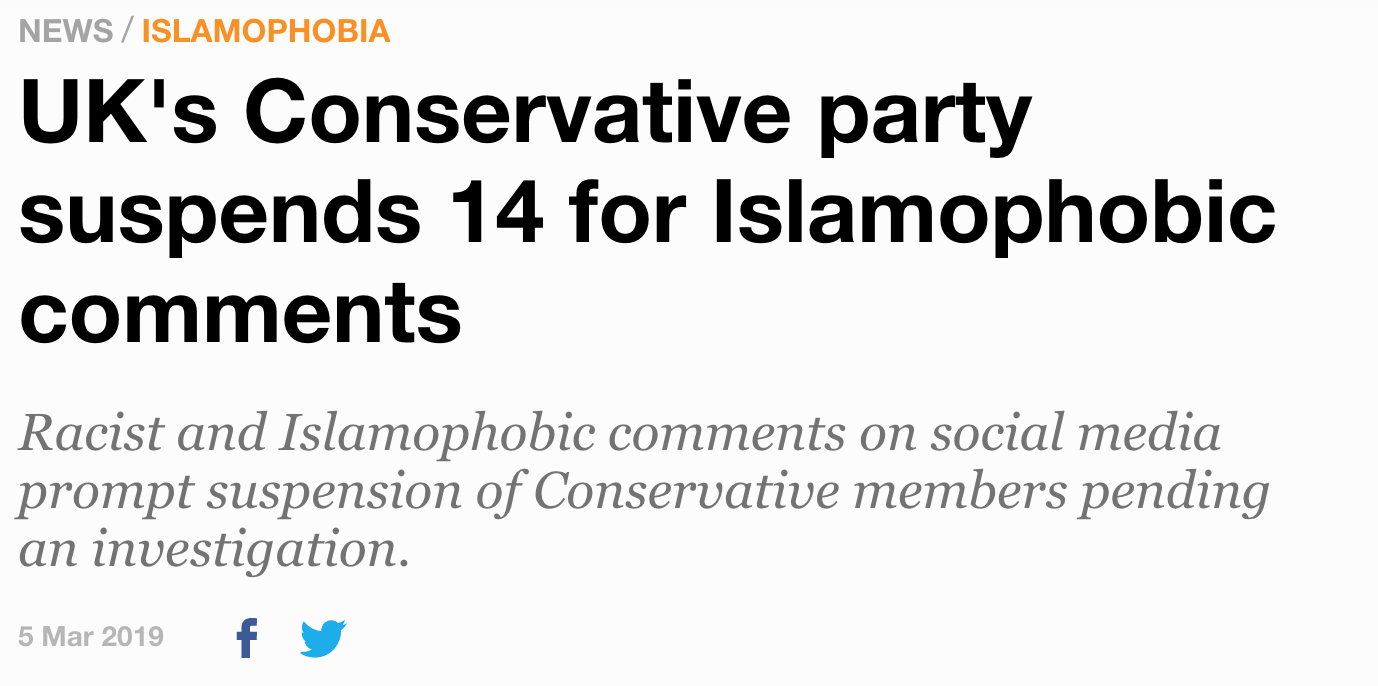
Additionally, historical associations with the term “multicultural Europe” create a negative perspective on the whole project. The term originates from the observance and research of Muslim integration in the 1980s. These topics usually focused on the failure to integrate those that migrated to the country for low-income jobs during the 1950s. Moreover, these discussions and articles created the image focused on difference. A mindset was created of us, the Europeans, against them, the immigrants.
This cultural and mindset shift also created a barrier of culture. The authors explain that many Europeans began to see culture as something that must maintain a relationship with politics and civil society. Thus, by default, a culture either builds or opposes society. Compounded with a growing skepticism of Muslim immigrants, this created greater tension between the two communities as people saw Muslim culture as an opposition of European culture.
Zemni and Parker conclude that as native Europeans become more animus towards immigrants, immigrants are less educated about current social norms and are not given the opportunity to form their own imprint or impression. Thus, distance between the two grow and the these pre-conceived notions often becomes “self-fulfilling” (Chapter 13).
Part b: Reaction towards “The Dispossessed” & “My Escape”
During this year’s True/False festival, I had the pleasure of attending the film, “Midnight Traveler”. The documentary by Hassan Fazili outlines his harrowing journey from Afghanistan to Germany after, the Taliban put out a kill order for him and his family. The family is tested by corrupt smugglers, packed into crowded refugee centers, and setback by bureaucracy and anti-immigration policies. The film showed the true trials and tribulations of a family in peril and their search for a better life. It truly humanized a greater issue and put the idea of immigration and the aspiration of immigrants into perspective. Similarly, the video “My Escape” achieves a the same goal with its detailed filming of individuals stories of immigration.
Moreover, the comic, “The Dispossessed” invoked similar feelings. It is able to humanize a very macro-issue and allow the viewer to empathize with the individuals affected. The comic did a fabulous job weaving photos and comic to create an engaging medium for Muhanid’s story. Additionally, it showed the individual setbacks and dangers that immigrant families face.
These stories, “The Dispossessed”, “Midnight Traveler”, and “My Escape” are crucial in creating a dialogue about immigration. Many people engaging in debates about the topic of immigration are uninformed about realties of immigration. Often it feels that people focus on biased rhetoric or dated stereotypes. Stories like these allow for people to understand the greater issue through an individual. It makes the topic much easier to understand and analyze. Moreover, if it gives greater context to why certain policies exist or should not exist. On a large scale, these stories have the potential create informed voters and lasting change.
Post 8 – France’s Relationship with the Muslim Community
By – Jacob Feist
Part 1: Background, History & Economy
Background: Post 7 outlined the current relationship between the Muslim community and the native community in Europe. This dynamic is highlighted and amplified in France due to population size and current events. France has the largest Muslim population of all European countries and many Muslims have found France to be their home. These members of the French community have embraced the local culture and Identify as French Muslims. Yet, certain dimensions of French culture have created conflict. In the book, “Islam, Europe’s Second Religion” Hunter breaks down these cultural aspects into three categories.
- Laicité secularism discourages government from operating within religious affairs or capacities
- Negative Muslim generalizations and reputation stemming from France’s relationship with Algeria
- The Muslim community not assimilating creates friction with the French community
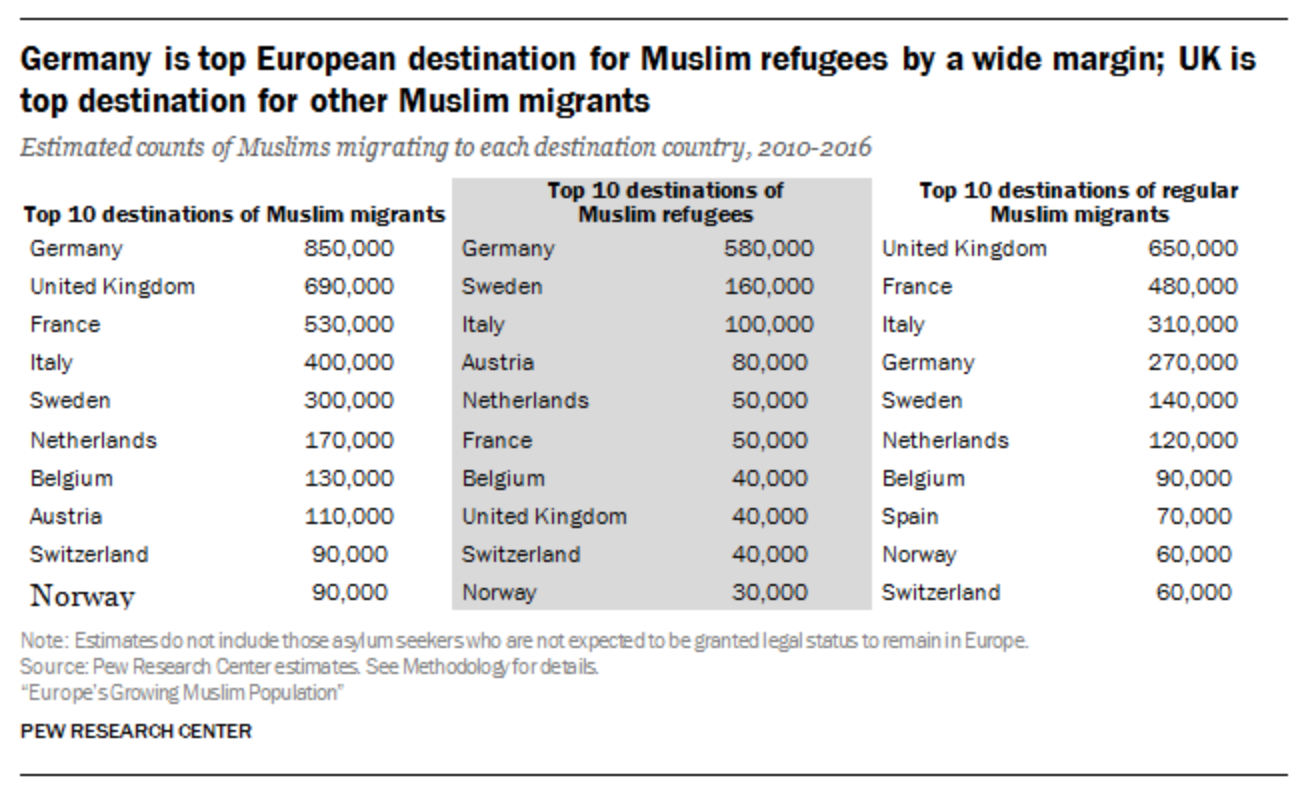
History: However, to further understand the current situation, one must understand the history of the situation. The first wave of French immigration occurred in 1914 as a result of the WWI and the rise of industrialization in France. This trend continued, as labor and industry developed, as did the need for workers and immigrants. Many of these vacant jobs were filled by Algerians who fought on the side of the French during the War for Independence. In 1970, this immigration model was drastically changed. The job market decline and immigrants stopped coming to France in search of work, rather they were attempting to reunite with their family members. Consequentially, the goal of immigration shifted from temporary work to permanent relocation.
Economy: Naturally, friction within history and government has shaped the modern economic landscape for French Muslims. Unemployment for the Muslim community is almost twice the French national average. This problem is reinforced by a lack of full-employment, as Muslim discrimination has caused educated Muslims to receive less fortuitous job opportunities. As a result, Muslims have been trying to find alternative methods to entering the job market. The current models include the 1998 “Positive Discrimination” law to receive greater opportunity and finding progressive globalized businesses.
Part 2: Laicité in Modern Context
Briefly mentioned above is the concept of Laicité, which can be best paralleled to the separation of church and state in the U.S. This law from 1905 ordains that French government should not interact or interfere with religion. The critical difference in the U.S. version and French version is that the French takes the rule to a far greater extreme. Laicité dictates that no official statistics about religion can be surveyed by the government. Hence, there are no official records regarding Muslim residents in France. Yet, accurate census data is not the only, or most critical, aspect of Laicité being challenged by Muslim presence in France. Laicité has been challenged by the use of hijab in public spaces, Emmanuel Macrons recent comments about “Islam of France”, and civil and government debates.
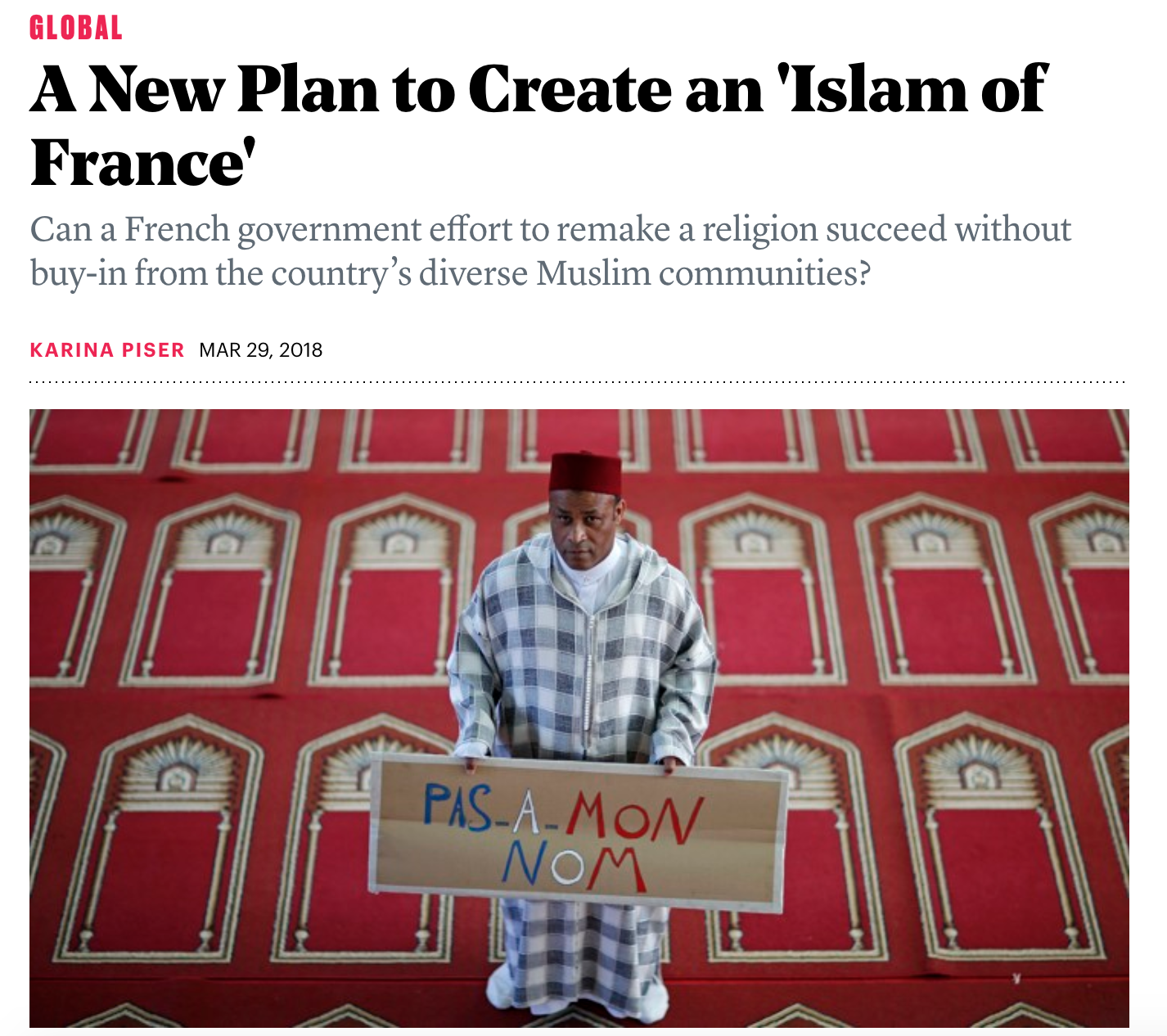
This brings in the argument of Laicité’s place within the modern world. I understand the division between religion and government. Additionally, I think most functioning democracies require this separation. That being said, dialogues must occur within government to address certain realities. As Hunter explains at the beginning of chapter 1, the religion of Islam is a reality in France. Thus, the government must respond accordingly to create systems of integration.
Part 3: Hijab painted as a threat to the west
One of the most difficult aspects of Muslim integration and acceptance in Western society is the hijab. This symbol of privacy and modesty has been radicalized by the western world as a symbol of tension between Muslims and non-Muslims. Moreover, this is not a new phenomenon. This demonization and negative imagery has been created over the course of several decades.
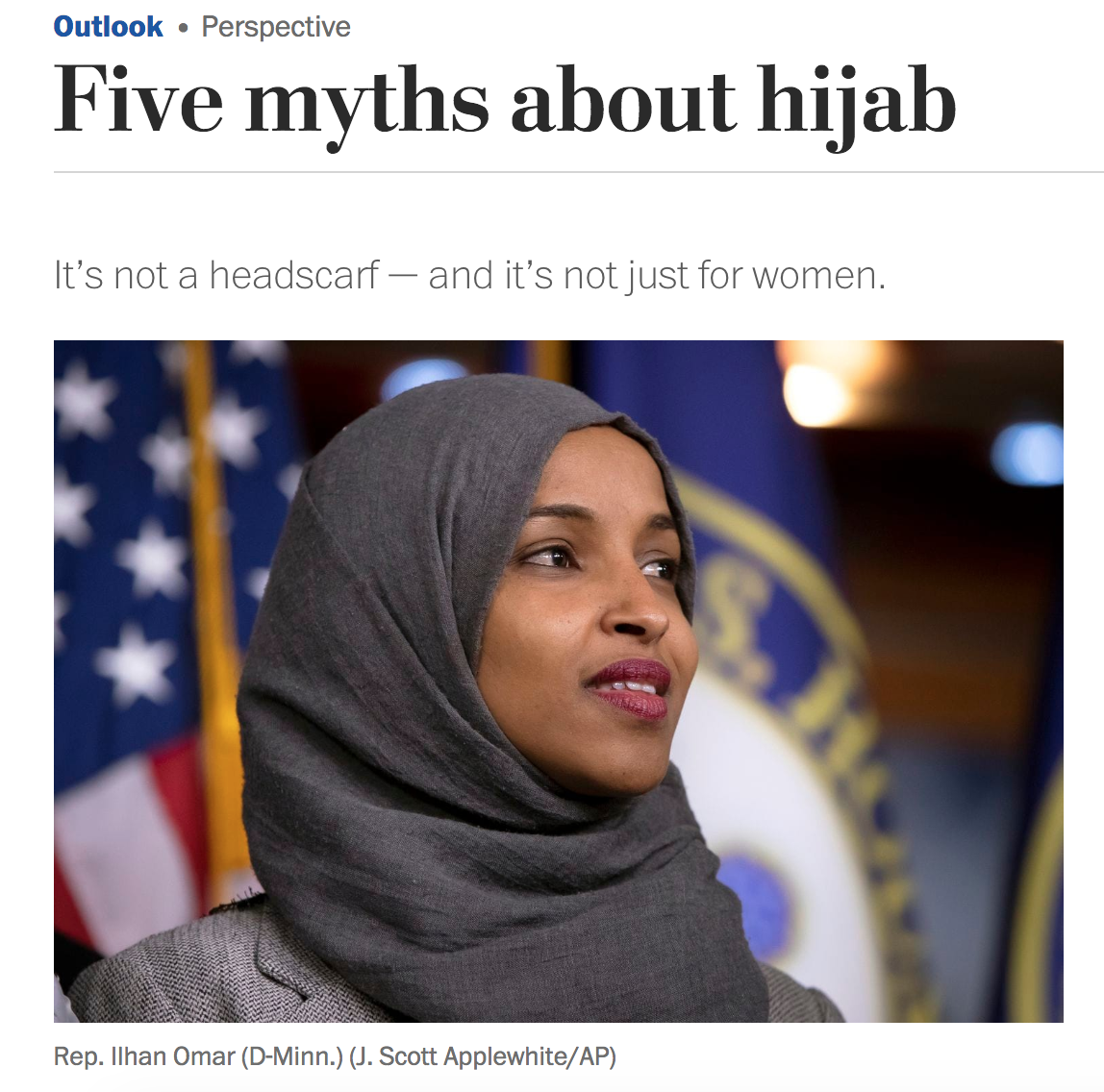
In France, it was publicly criticized as being a symbol of jihad extremists, which is objectively false. This extends to America, with recent headlines criticizing political leaders for wearing a hijab. Certain American news outlets and political leaders have questioned whether people wearing the headscarf can truly be loyal to America. The quote that resonates with me is, “People fear what they do not understand.” A lack of dialogue has allowed anti-Muslimism parties to paint the hijab as a threat to the west. Thus, creating the notion that somehow religious expression is a threat to one’s own ideals.
Sources:
“Chapter 1 – Islam in France.” Islam, Europe’s Second Religion: the New Social, Cultural, and Political Landscape, by Shireen T. Hunter, Praeger, 2002.
https://www.cnn.com/2019/03/16/media/jeanine-pirro-fox-news/index.html
http://www.pewforum.org/2017/11/29/europes-growing-muslim-population/
https://www.theatlantic.com/international/archive/2018/03/islam-france-macron/556604/
Post 7 – Tension in Europe
By Jacob Feist
Part 1: The Myths
In Justin Vaisse’s paper, “Muslims in Europe: A short introduction”, he outlines four myths pertaining to Muslims in Europe and the negative ramifications of each misconception.
Myth #1: Being Muslim completely encompasses one’s full personality and ideologies. This myth creates the stereotype that all Muslim immigrants have the same priorities and beliefs.
Myth #2: Muslims in Europe are all foreign entities or arrived from the Middle East. This myth stripes many Muslims native to the region of their European identity.
Myth #3: Muslims in Europe are a “cohesive and bitter group” (https://www.foreignaffairs.com/articles/europe/2005-07-01/europes-angry-muslims). Vaisse explains that there are geographic, social, and political dimensions to Muslims.
Myth #4: The Muslim community is overtaking the European population. This myth creates the idea that the Muslim community is somehow separate from the native community. Additionally, it is archaic as the birthrates between immigrant and non-immigrant communities are moving towards equal.
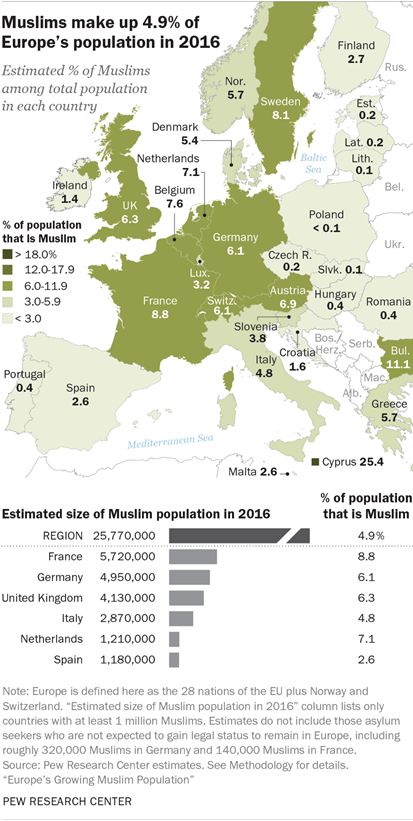
These myths create a toxic and contentious dynamic between Europeans and European Muslims. Ramadan explains that the mindset should be one that understands that Muslim is a fully integrated part of European society. Moreover, the religion is a way of life and political and social discussion cannot be fully realized until people are willing to educate themselves on the religious dimension.
Part 2: The distinction between politics and religion
In Hunter’s “Europe’s Second Religion”, the author outlines the importance between political and religious dimensions for Muslims. She explains that these dimensions are not the same, but that does not necessarily mean they create conflict. The religious dimension applies to the laws ordained within the Quran and the activities related to worship. However, the political dimensions relates to social affairs. The only universal connection is that the social affairs cannot interfere with the religious dimension. Thus, Muslims can have varying political, social, and economical beliefs. Moreover, Muslims have a “principle of original permission” stating that they may take what is good from other cultures. This indicates that over time Muslims will adopt certain positive aspects of European culture. Hence, the two communities must create dialogue and education to encourage the adoption of these positive aspects and the integration of Muslims into society.
Part 3: Education and Social Rifts
As mentioned in Part 1, discussions between native Europeans and Muslim Europeans have been hindered by a lack of understanding. Additionally, these dynamics have been strained by a series of perpetuated myths. Thus, rifts have been developed in the education and social systems within Europe. Ramadan explains that the rift is created because political and economic integration is expected without discussing the underlying cultural and religious differences. Currently, education is superficial without enough about understanding the true identity and core issues for Muslims within Europe.
Moreover, a social rift is being created because of a lack of understanding on Shari’a law. Often, Europeans view this system as method of the of asserting Muslim law in Europe. However, this could not be further from the truth. The author explains that Shari’a law is far more inclusive than just a system of law and penalties. In actuality, Shari’a law is a system dedicated to finding religion and faith in any location of community. Hence, this should be used as a method of inclusion and adaptation rather than tension.
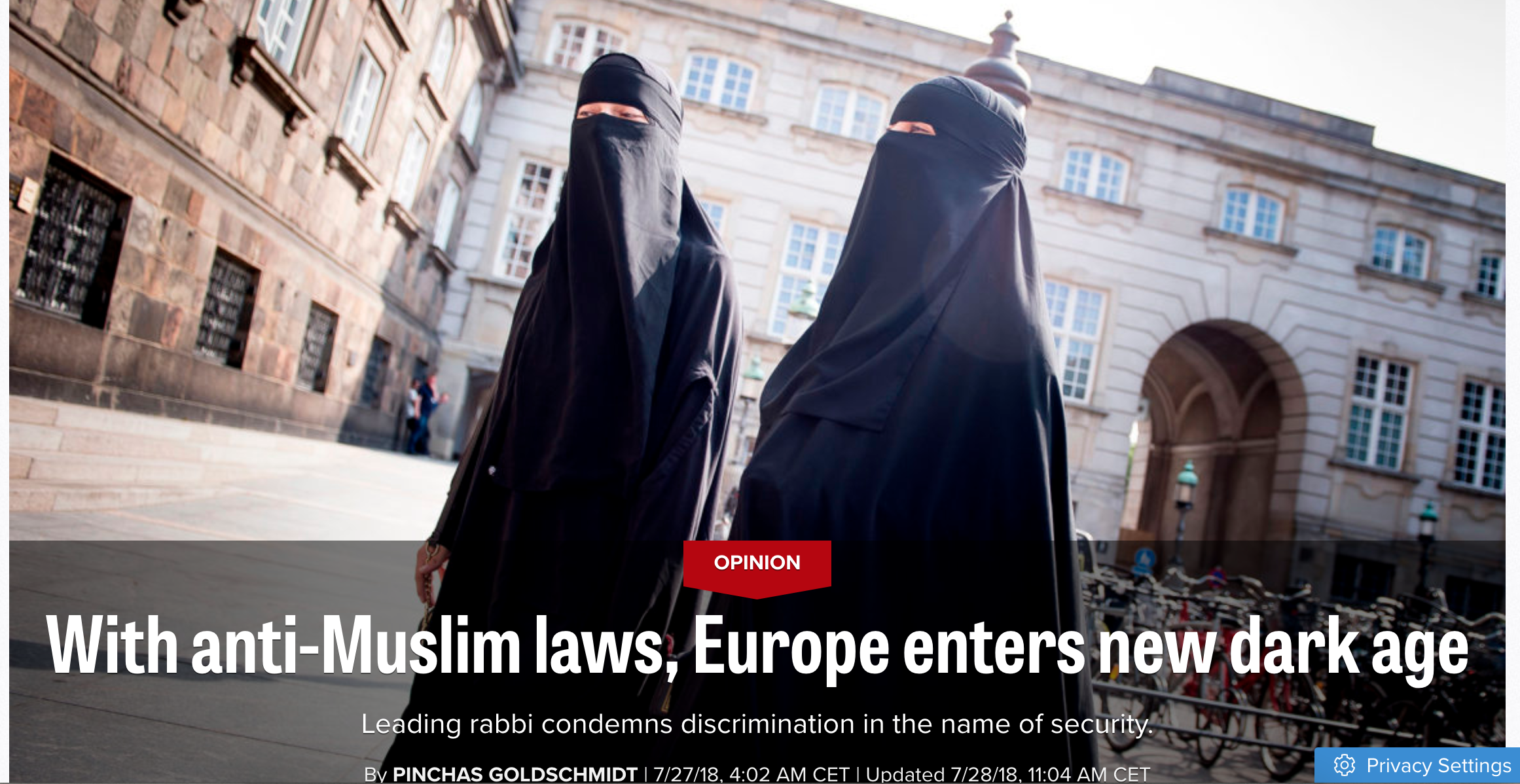
https://www.politico.eu/article/with-anti-muslim-laws-france-denmark-europe-enters-new-dark-age/
Yet, the most prominent factor currently creating social rifts is the economic hardships and unemployment in Europe. These negative social factors typically breed resentment for perceived outsiders. This resentment can be seen in the shift in European politics towards more radical officials (example above). Ramadan argues that in order to combat this, more action and dialogue must focus on contributions to society and developing alongside European society.
Sources:
Hunter. Islam, Europe Second Religion. Preface & Introduction Ch. 11 Europeanization of Islam by Tariq Ramadan 207-18.
Justin Vaisse. “Muslims in Europe: A Short Introduction,” pdf .
Post 6 – Where do we go from here?
by Jacob Feist
Part 1: Funding Democracy
“Many forms of Government have been tried, and will be tried in this world of sin and woe. No one pretends that democracy is perfect or all-wise. Indeed, it has been said that democracy is the worst form of Government except all those other forms that have been tried from time to time.”- Sir Winston Churchill
In the conclusion of Banerjee and Duflo’s “Poor Economics”, the authors outline the arguments related to foreign aid. Using a culmination of arguments explained in the earlier chapters, the authors reveal the determents and benefits of the current foreign aid model. Currently, many organizations, including the United Nations, heavily fund development efforts in struggling nations. These programs target key initiatives for the betterment of citizens in each nation. However, there are indications that perhaps these initiatives should target the nation, rather than the citizen.
The fundamental issues plaguing many developing nations prevent these nations from maximizing their potential. The main culprit is government corruption, as these officials often use development projects are ways to accept bribes. In Uganda, ~86% of aid dollars towards education programs never made it to the schools. Rather, 86 cents of every donation dollar actually funded government corruption and bribery. Thus, until political institutions are reformed, it is impossible to create economic change.
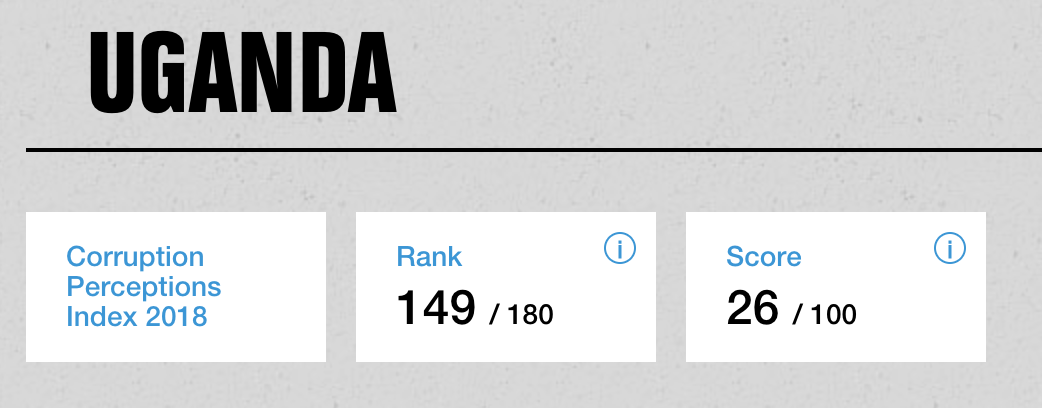
Uganda’s Corruption Index Ranking & Score
https://www.transparency.org/country/UGA
Fortunately, there are potential solutions to reduce corruptions. Mainly, increasing transparency within communities and the media creates stark reductions in embezzlement. In Uganda, auditors were sent to analyze the finances of industrial projects. Their mere presence reduced bribery by 33% in the region. Additionally, when newspapers began reporting about the education corruption scandal, embezzlement went from 86% to 20%. Hence, economists like Jeffery Sachs argue that increasing transparency is a necessary part of development programs.
However, renowned economist William Easterly believes that in the current state of Africa, no intervention is the best solution. Easterly insists that we must encourage a completely free-market, unburdened by international interests to solve these issues. This will create an environment in which only the most successful entrepreneurs prosper. As these businesses prosper, industry will be created with no need for external funding. Additionally, we must not let aid money create political influence. Many citizens have displayed disinterest for western health-care and education systems. Easterly also cites the United States intervention in Iraq as the disaster proving that forcing democracy into a region creates more unrest. Thus, we must let the residents of the nations create their own solutions, solutions they will support. Easterly labels this theory the, “7 billion experts [taking] charge of their destiny.”
While I agree that the current method for supporting education and health care are flawed, I do feel that intervention is necessary. However, the intervention should focus on creating political allies with progressive ideologies. An outline for this solution would be a committee of experts creating a non-profit focused on political support. This organization would find strong members of the Cheetah Generation and fund their campaign. Moreover, this organization could search for popular news outlets and fund their efforts for more transparent and accountable governments. This put countries in a position to elect democratic officials focused on creating lasting change. Over time, this would allow democracies to rise and change to occur internally.
Part 2: The Problems & Solutions of SDG 1 & 2
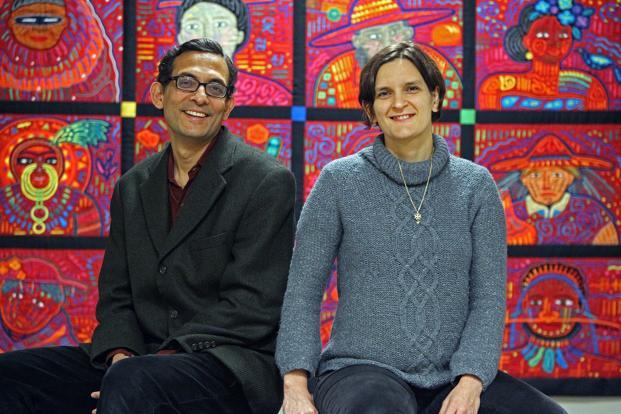
SDG goals 1 and 2 focus on ending poverty in all forms everywhere and achieving food security and improved nutrition. Banerjee and Duflo discuss the issues and proposed solutions to each goal.
SDG Goal 1
The Problems: Ending poverty in all forms is far from an achievable solution at this time. Banerjee and Duflo explain that with the proliferation of government corruption, development goals cannot be full achieved. Additionally, poverty traps, until properly addressed keep people in a vicious cycle of debt and suffering. In order to properly eradicate poverty, corruption must be thwarted and individual poverty traps must be targeted and solved.
The Solutions: The most attainable solution at this time is microfinancing and microcredits. Banerjee and Dulfo displayed the advances in technology and marketing and their impact on society. Eventually, with universal availability anyone in any nation could save money, afford insurance, and secure loans for new business. However, this solution is dependent on the success of these small businesses.
SDG Goal 2:
The Problems: Banerjee and Duflo explain that many nations have installed programs to eliminate food insecurity. There is access to nutrient dense grains at affordable prices. However, the reality is that as wages increase, people purchase better tasting food not more nutrient dense food. Thus, the problem in malnutrition appears to be more education and marketing related than availability.
The Solutions: Creating programs dedicated towards educating families about calories and nutrients are critical. Additionally, there should be programs focusing on properly budgeting towards food. Banerjee and Duflo also make an interesting observation about genetically modified foods. They argue that efforts should be made on creating tasty genetically modified foods that are nutrient dense. The economists believe that if the food is actually good, the demand will develop naturally.
POST 5 – THE WEALTH OF AFRICA
By Jacob Feist
Part 1 The Arguments For and Against Microcredits
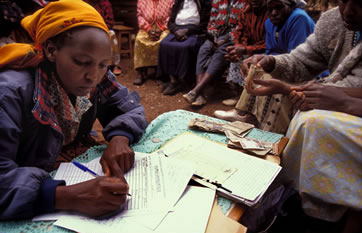
In Poor Economics by Banerjee and Duflo, the authors outline the financial landscape in Africa. Their focus is on the concept of microfinancing and its potential benefit to developing nations. The key argument supporting microfinancing is that poor people in developing nations are constantly worrying and preparing for potential disaster. They rely on costly and potentially ineffective methods of savings. Thus, one can reasonably assume that there is a demand market for some sort of regulated borrowing and savings method.
Rutherford of the company SaveSafe explains that many families currently rely on savings clubs or self-help groups that allow multiple families to pool resources. Essentially, they are creating their own insurance float, proving that the concept is possible in developing nations. Additionally, many argue that as savings systems and financing systems become available, poor people would be able to create their own small businesses. Cases outlined by BRAC reveal that initial financing and basic guidance and education allows most people to create a revenue generator.
However, Banerjee and Duflo analyzed data sets of small businesses without BRAC guidance and concluded that the average small business in developing nations creates negative cash flow. Thus, leaving the business owner in the same positions as they were before the loan. This is compounded by the time and energy required to own and operate a small business. Additionally, the issues with microfinancing stem beyond the flaws in small businesses. Primarily, it is costly and risky managing small pools of wealth in developing nations. For a business, the cost of management will likely exceed the return on holdings. In countries, without systems of accountability, there is a risk that no one will repay their loans. Hence, to protect against risk banks would be forced to charge higher fees. These higher fees would create their own issues, as seen in the example of Jennifer Auma (Page 188). Her local bank’s withdraw fees negated any benefit of storing money.
Part 2 & 3 Microcredits in Tanzania
Microcredits were introduced in Tanzania in the 1990s and have been slowly integrated into society. Today, there are several banks offering microfinancing loans and savings for poor people in Tanzania. In 2001, these banks joined together under TAMFI, Tanzania Association of Microfinance Institutions. Together they work to develop the institutions themselves, government assistance, and microcredit availability. Moreover, the institution has proven successful, helping fund 1.2 million people with loans and savings.

Yet, there is still concern about the long-term success of these institutions. The World Bank analyzed the microfinancing landscape of Tanzania in 2003 and found some troubling results. In talking with government and bank officials, they found no discernable strategy for further developing their relationship or expanding the services of these banks. The World Bank was also displeased with regulatory bodies ability to promote transparency and accountability within these systems. Their biggest concern is human capacity. As the demand for microcredit institution increases as does the need for skilled labor in the banking sector. At this time, Tanzania is lacking skilled laborers to work in the microfinance and microcredit industry.
Part 4 Reflecting on “The Road to Ending Poverty”
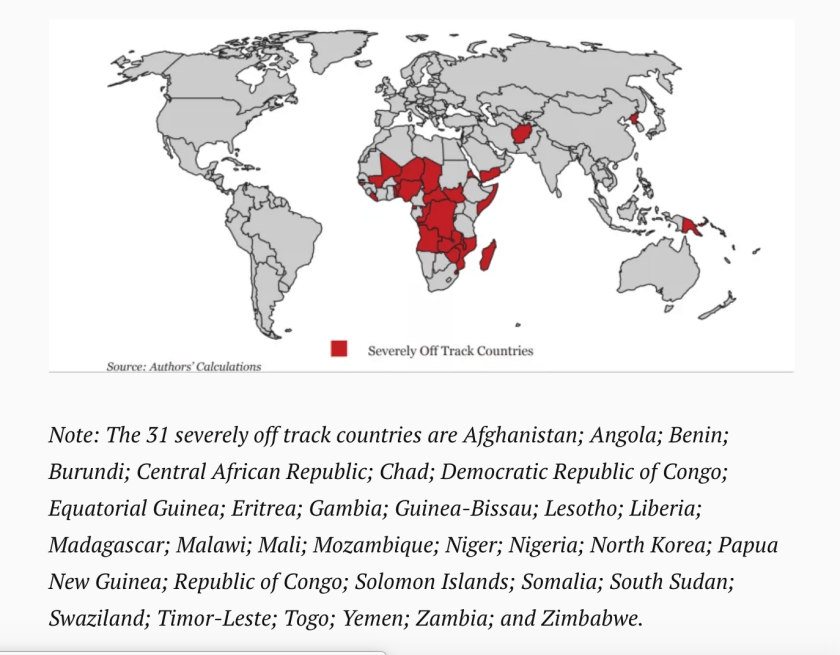
In the article “The road to ending poverty runs through 31 severely off track countries”, Gertz and Kharas outline a key issue in the fight against poverty. Many of the numbers contributing to the staggering drop in poverty is occurring within a few key nations. Countries like China and India have had huge economic booms leading to greater GDP and less poverty. The article cites that “7 of 10 countries cut their poverty headcount ratios by 70%.” While these are incredible results that will benefit large portions of humankind, they are misleading in outlining the overall success of the SDGs.
The countries experiencing the greatest success in eradicating poverty are typically those experiencing the greatest economic success. While this may appear obvious, it creates a dubious future for the remaining countries experiencing critical levels of poverty. The authors highlight 31 countries severely off track from meeting their goals. These countries range from radically unstable and underfunded to completely stagnant and receiving generous donations. Thus, the solution extends past simply promoting democracy or outside funding.
https://www.brookings.edu/blog/future-development/2018/02/13/the-road-to-ending-poverty-runs-through-31-severely-off-track-countries/
It also presents a glaring need for the SDGs and non-profit thinktanks across the world. Clearly, there is a need to adapt. Strategies must be developed for each of the remaining SOTC. While general SDGs and development projects have assisted many communities, it is clear that these cases follow no trend and require individual help. Hence, I feel that a summit similar to the original MDG meeting would be beneficial. There should be tasks and goals related to each nation, addressing critical needs, funding deficits, and areas of change. Moreover, in nations that funding is proving ineffective, reallocating recourses could prove effective.
Part 5 Technology as an Agent of Change
Technology is radically changing the way people spend and save money. McKinsey Consulting attributed a 6% rise in global spending to technology. Primarily, they are seeing enormous changes stemming from cell-phone use in developing nations. A New York Times article explains, “70% of adults are using [M-Pesa] that started less than a decade ago.” These microlending and financing institutions have created a spike in the transferring of funds and creation of small businesses.
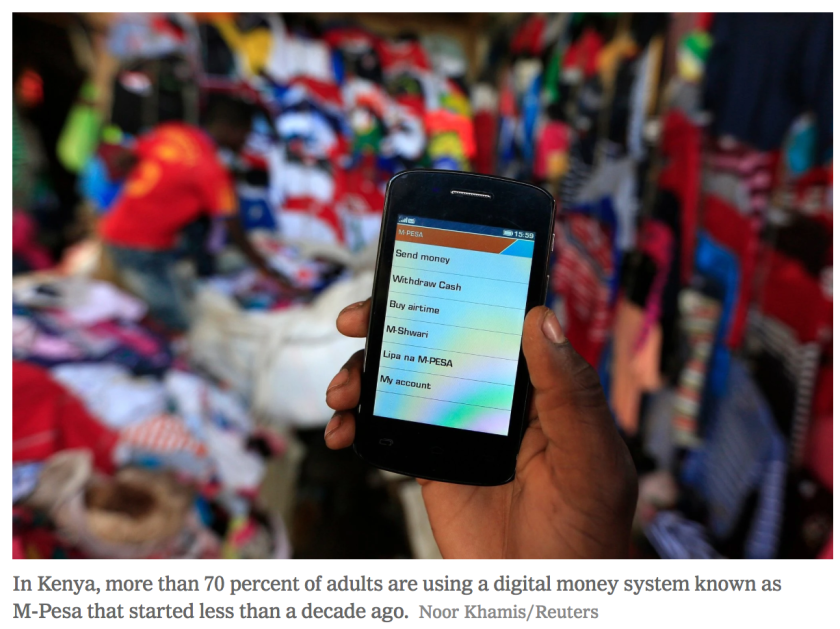
https://www.nytimes.com/2016/09/22/business/dealbook/cellphones-not-banks-may-be-key-to-finance-in-the-developing-world.html?rref=collection%2Ftimestopic%2FMicrofinance&action=click&contentCollection=timestopics®ion=stream&module=stream_unit&version=latest&contentPlacement=3&pgtype=collection
Additionally, a 2017 World Bank Symposium outlined the success of microfinancing. The group of 35 tech and finance experts worked to explain the impact of technology and microcredits. They discovered six key elements impacted by the changes:
- Customer Centricity
- Reducing operational risks
- New business models
- Partnerships and collaboration
- Building trust
- Customer protection
Part 6 Reflecting on “Africa Poor Stealing Wealth”
The article outlines an important element preventing the distribution of wealth in Africa. Much of the wealth and recourses being developing in the continent is being exported or stolen. The facts detailed by Dearden present undeniable proof that industry is available. $203 Billion dollars left the country last year, including $68 billion dollars in avoided taxes. Additionally, $29 billion is lost annually to illegal wildlife and logging activity. This is exacerbated by the countries ultra-wealthy holding money in international tax havens.
Thus, it is clear that a solution must be developed. The author argues for repatriations and redistributions of wealth. However, I cannot fully support these solutions. Radical solutions often create radical problems. Attempting to take and redistribute the wealth of the ultra-wealthy will cause them to leave or store more money off-shore. Moreover, attempting to reduce tax havens is a noble cause, but one that would not be achievable without the backing of the entire international community. I believe the solution should start simple and then build outward. First, attack the explicitly illegal activities. Use funding to prevent illegal wildlife activity and outright tax evasion. Closing these cash flows could create an increase of almost $100 billion dollars.
Sources:
https://www.aljazeera.com/indepth/opinion/2017/05/africa-poor-stealing-wealth-170524063731884.html
Post 4 – Investments in Progress
by Jacob Feist
Part 1a: The Cheetah of Tanzania
In Post 3, I discussed Steven Radelet’s definition of the Cheetah Generation. This generation continues to make incredible social and political progress in Africa. However, progress in this grand scope is often hard to fully appreciate. Thus, I am highlighting the efforts and accomplishments of one member of the Cheetah Generation in Tanzania.
Rebeca Gyumi grew up in Tanzania and at a young age began to recognize the suffering imposed upon women. At 13, she witnessed children her age subjected to forced marriages due to unwanted pregnancies. This upsetting concept motivated her to join a youth initiative at the age of 20 to combat this problem. As she continued to work with this organization, she recognized the magnitude of this national problem. A staggering 37% of women were being forced into marriage before the age of 18 in Tanzania. Hence, she went to school at University of Dar es Salaam and received a degree in Law. She used her education and experience to create a political campaign and legal petition to raise the legal age of marriage.
In 2016, she accomplished her goal and The Marriage Act of Tanzania was altered. However, this was not the end of her struggle. Like many Cheetahs, she upset the status-quo and received harsh backlash from members of the Hippo Generation. The government appealed the ruling to the high court of Tanzania and continues to fight the ruling. In spite of all this, Gyumi stills lobbies on behalf of women’s rights and the changes to The Marriage Act. As a result, she was rewarded the 2018 UN Human Rights Prize.
Part 1b: Democracy in Tanzania
In Emerging Africa, Steven Radelet works to define democracy and the impact it has on society. His definition revolves around five key concepts that when present create a stable democracy.
- Protecting fundamental political freedoms
- Protecting civil liberties
- Free and fair elections
- Representative government
- Checks on executive power
Currently, sources use similar definitions to grade a countries democracy or democratic progress. According to Freedomhouse, Tanzania classifies as “partly free” with a composite score of 60/100. The report indicates that the country is moderately free in both political and civil rights.
A more detailed report indicated the following:
| Topic | Score |
| Electoral process | 8 out of 12 |
| Political pluralism | 12 out of 16 |
| Functioning government | 7 out of 12 |
| Freedom of expression | 9 out of 16 |
| Organizational Rights | 6 out of 12 |
| Rule of law | 9 out of 16 |
| Individual rights | 9 out of 16 |
| https://freedomhouse.org/report/freedom-world/2016/tanzania |
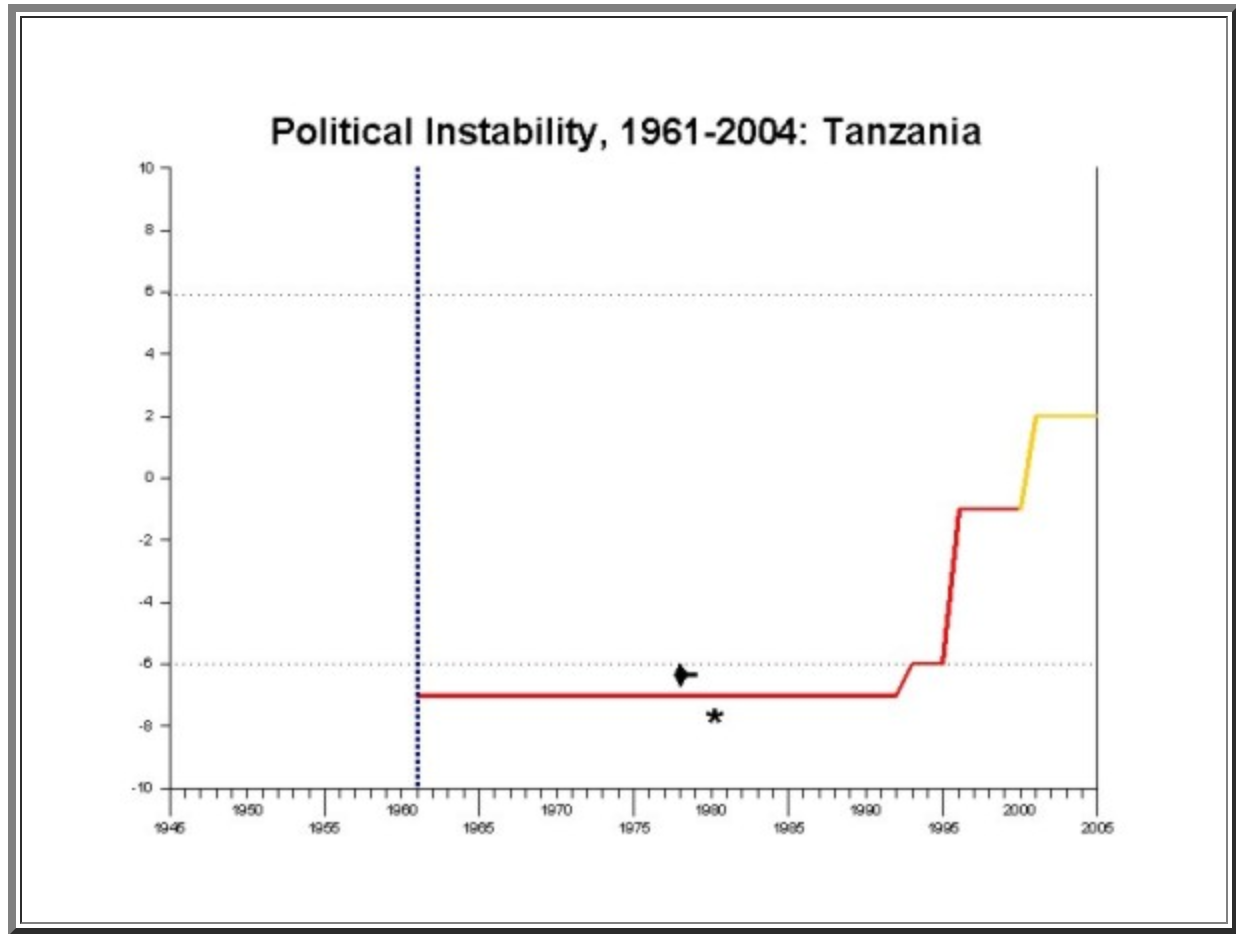
This is also reflected in the Political Instability Chart on Systematicpeace, which showed their political stability rising over the 44-year sample size. However, the country still has much to accomplish. In the local news, current events discuss President John Magufuli’s persistence on fighting women’s rights initiatives. In December, he made a decree insisting young mothers should not be allowed to rejoin the public-school system. This law would prevent 35% of married women from receiving an education. Fortunately, young leaders still have access to create progress through role-models like Rebecca Gyumi or the YALI network.
Part 2: Effective Health Investments
In Chapter 3 of “Poor Economics”, Banerjee and Duflo argue the economic benefits of effective health investments. Their position is rooted in the idea that the many prevalent poverty traps tend to stem from an ailment in the family or widespread health epidemics. This is supported by the evidence that countries with malaria outbreaks tend to have weaker economies than those without. While there are other determining factors, one can see the connection. A workforce plagued by disease will invariably be less productive, bringing down the overall efficiency of the market.
Hence, a relatively simple solution to strengthen a countries economy would be to invest in effective health investments. These investments are healthcare products that creating lasting economic returns for the user. One prime display is malaria nets in Kenya. Using data captured by the authors, we can see the return on investment for an individual in Kenya. (Table 1, data on page 45)
| Table 1 | No Investment in Malaria Net | Investment in Malaria Net |
| Malaria Net | $0 | $14 |
| Effectiveness of malaria net | 0% | 30% |
| Annual income | Individual with malaria: $295 | Healthy individual: $590 |
| Potential return on investment | 0 | +$295 |
| Expected return on investment | 0 | 295*.30 = $88.5 |
Other examples of effective health investments include water sanitation and piping. Banerjee and Duflo explain that these two investments usually reduce infant mortality by 75% and overall mortality by 50%. They also limit the spread of disease and common illnesses. Consequentially, a country would have an increased workforce in both population and effectiveness.
However, effective health investments are not easy to implement. Primarily, people in poor, developing, nations tend to not spend money on preventative care. Even in cases that the items are inexpensive and readily available, only 10% of the population actually purchase the item. Furthermore, an increase in income creates minimal increases in demand, meaning that the only real impact is price reductions. This is amplified by a distrust for doctors and the public healthcare system. Unfortunately, this distrust is often justified, as public health centers have scored remarkably poor on both tests of reliability and consumer support. There is also a critical lack of education related to healthcare, biology, and medicine. Thus, people opt for alternative solutions or refuse to take medicines they deem ineffective.
Sources:
https://www.cnn.com/2018/12/12/africa/gyumi-un-human-rights-prize/index.html
https://tanzania.savethechildren.net/news/rebeca-gyumi-wins-un-human-rights-prize
https://freedomhouse.org/report/freedom-world/freedom-world-2016
https://freedomhouse.org/report/freedom-world/2016/tanzania
http://www.systemicpeace.org/africa/PItaz.htm
https://yali.state.gov/yali-voices-with-carol-moses-ndosi-making-it-in-a-mans-world/
Post 3 – Change in Tanzania
By Jacob Feist
Part 1a: The Cheetah & The Hippo
In Steven Radelet’s “Emerging Africa”, he describes a bright, young, creative, student named Patrick Awuah. Awuah is from Ghana, graduated from Swarthmore College, worked at Microsoft, and is determined to make a positive impact on the political landscape in Ghana. Patrick Awuah is also a perfect reflection of a growing community known as the Cheetah Generation.
The Cheetah Generation is a growing community of people working to usher in an era of innovation and accountability. While the generation is not defined by any specific demographic; it is mainly comprised of young, educated, motivated, leaders. Moreover, these leaders have been subtle, but effective in their mission to obtain authority within government, business, and civil society. They have been equally capable in establishing connections and political capital within the international community. Overall, their mission is to promote ideas technology, entrepreneurship, market power, good governance, and accountability.

https://www.ted.com/playlists/423/the_rise_of_africa_s_next_gene
However, the Cheetah Generation has met resistance, usually stemming from the contrasting group, The Hippo Generation. The Hippo Generation is a label tied to many current political and authoritarian leaders. These leaders typically came into power through leading revolutions, rebellions, and struggles for independence. Yet, many argue, while they were adept at combating colonial leaders, they are ineffective as political leaders. They have created systems that reduce transparency, reward loyalty over ability, and prevent modernization. This generation has also been merciless in their efforts to thwart those attempting to remove them from positions of power. They have threatened members of the Cheetah Generation, exiled outspoken political opponents, and littered political offices with allies and loyalists.
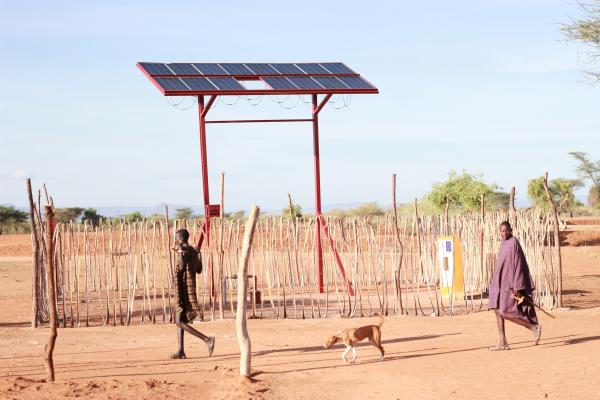
Amidst the conflict between the two groups, the Cheetah Generation has been effective in developing change. They have used their education, political capital, and leadership skills to promote innovation. They have worked to create affordable HIV treatments, bring women into positions of power, and install solar powered water pumps. Additionally, they have shifted the political focus away from colonialism and socialism and towards democracy, technology, business-friendly economy.
Part 1b: African ICT Explosion
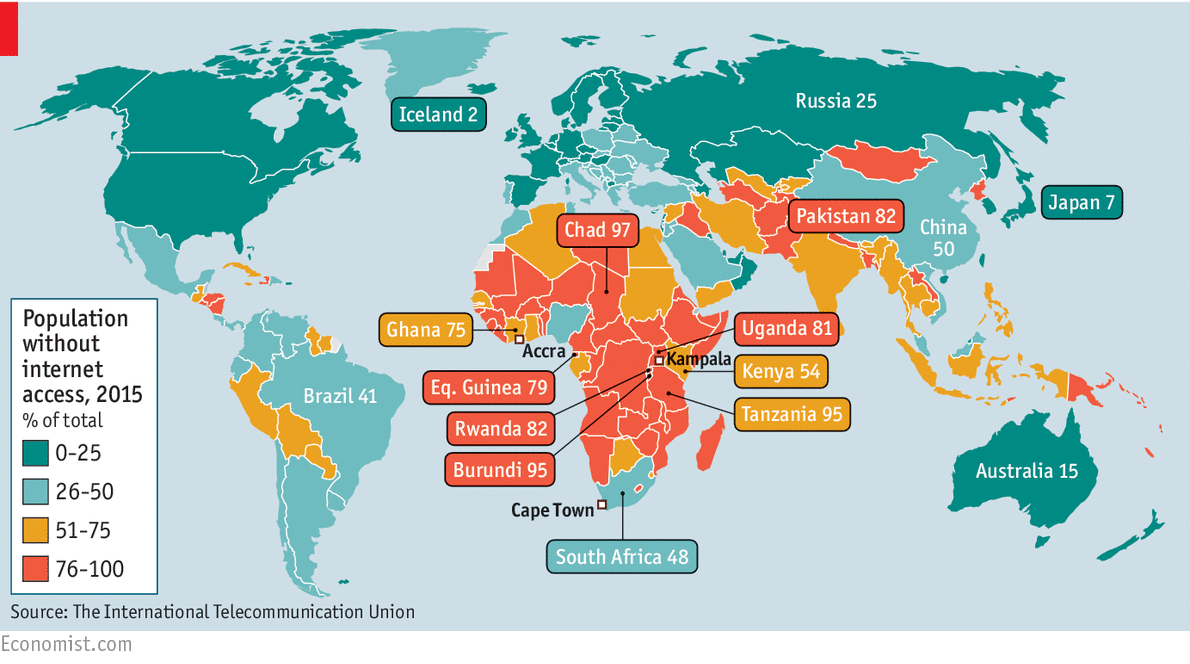
The African ICT Explosion describes the rapid expansion and use of information technology in Africa. Today, farmers, fisherman, and businessmen in Africa are using the internet to exchange pricing information, market conditions, legal advice, and financial guidance. The result has been an increase in jobs, a more efficient economy, and an increase in business transparency. Moreover, entrepreneurship and education have increased as people are able to access microfinancing, coursework, and literacy training through their cellphones. On a larger scale, the ICT Explosion has reshaped politics as voter information and campaign transparency have also increased.
https://www.economist.com/middle-east-and-africa/2016/12/10/mobile-phones-are-transforming-africa
However, the African ICT Explosion is far from a perfect system. The primary issue is cost, on average internet access fees reach $366 USD. Additionally, the cost of expansion requires huge capital expenditures for satellites and wiring. Additionally, on a grand scale, the African ICT Explosion is a very limited sample size. Only 5% of Africans have readily available access to the internet. Hence, while the technological progress in Africa is impressive, the sustainability and ability to impact the greater African community is still unknown.
Part 2: Poverty Traps & Tanzania
In the book, Poor Economics, the concept of poverty traps is discussed. This concept outlines the tragic cycle the locks communities, or entire countries, into a cycle of poverty. Poverty traps are an extremely difficult problem that is impossible for the victim to overcome because they lack the money required to create a solution. These traps include rampant disease, difficult geography, or difficult environment. Thus, as the problem gets worse, the finances decline, and the poverty trap is created.
One country working to prevent the cycle from continuing is Tanzania. They have experienced a 6% annual economic increase over the past decade. Additionally, the President, John Pombe Magufuli, has received praise in his efforts to stimulate the economy and prevent government corruption. The country is also supported by a tourism industry for Mt. Kilimanjaro and Serengeti. Thus, poverty rates have declined, GDP has increased, and GNI has increased. The U.N. has also found success in their effort of supporting the Tanzania Productive Social Safety Nets Program. Their aid and guidance have helped the program give health services, food, and money to pregnant woman and children. The result has been increased attendance at school and lower mortality rates in the two groups.
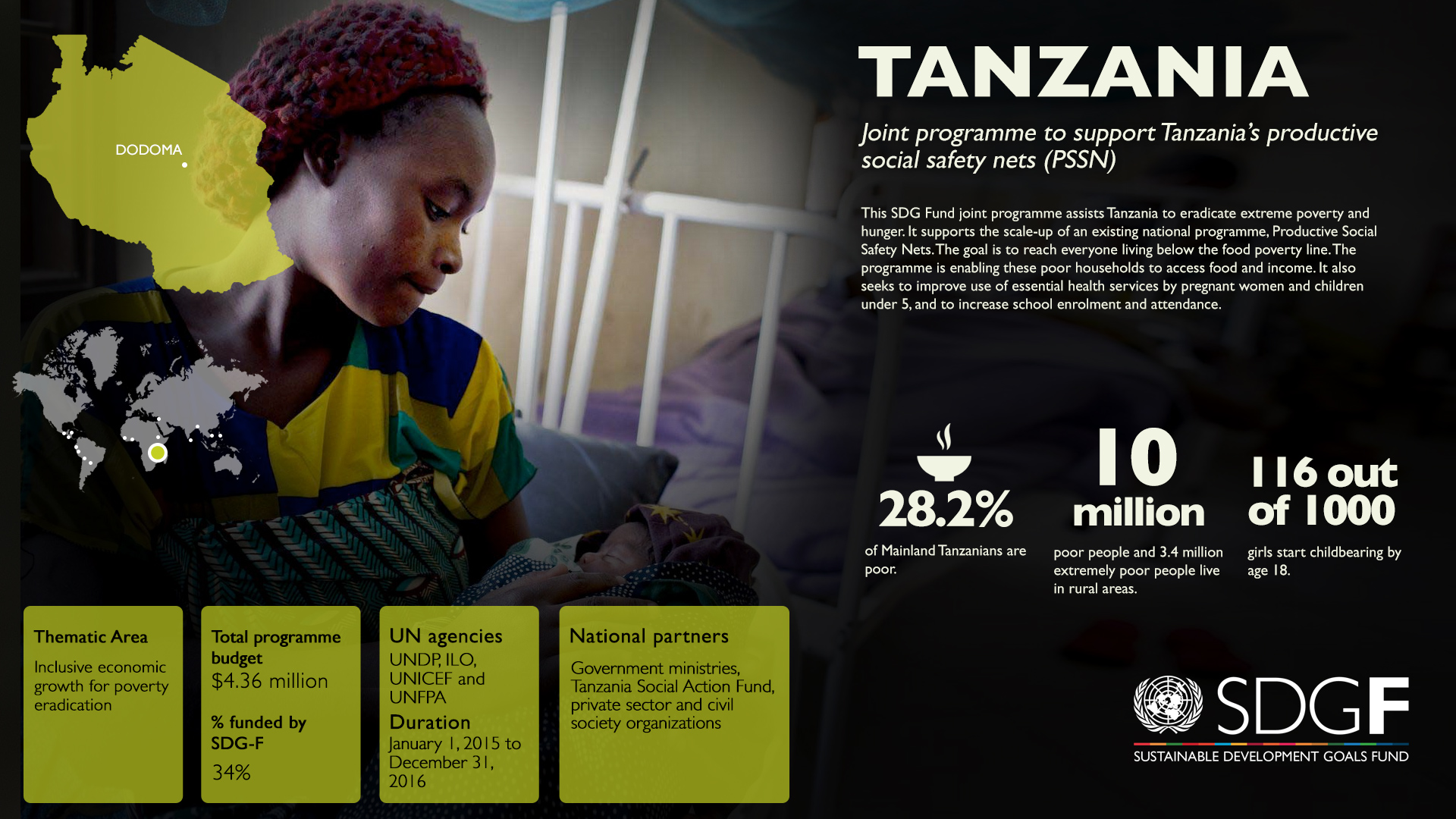
However, the country still faces significant challenges. In spite of their economic development, a rapidly growing population is offsetting many of the results. In 2016, there was still a reported 12 million people living below the poverty line in Tanzania. Moreover, the country is challenged in human capital and infrastructure. Annually, 800,000 people enter the Tanzanian workforce, but there are not enough jobs to achieve anything close to full employment. There is also concern that Tanzania’s success is leading to less international funding and aid. The result has forced the government to start developing alternative methods for financing debt and funding programs.
Sources:
https://data.worldbank.org/country/tanzania
https://www.bbc.com/news/world-africa-14095868
https://www.worldbank.org/en/country/tanzania/overview#1
https://allafrica.com/stories/201811290495.html
Click to access Tanzania_poverty_Final.pdf
Post 2 – Defining Good News in Africa
Part 1: Steven Radelet analyzed seventeen countries experiencing strong economic growth in Africa. Radelet theorized the factors creating this growth and labeled them as “good news”.
These factors include:
- The rise of more democratic and accountable governments: The African economic collapse in the 1980s caused citizens of Africa to question the authority of their dictatorial leaders. As these leaders lost financing and influence, shifts in the government occurred. By 2008, 23 countries in Africa were controlled by democratically elected governments. Moreover, these democratic governments have been diligent in adhering to political and civil rights.
- Implementation of more sensible economic policies: The economic crisis also caused reductions in the government’s ability to utilize debt financing. Additionally, the change from dictatorships to democracy prevented political leaders from abusing budgets and misusing finances. Hence, the combination of progressive economic reform and a lower reliance on borrowing created positive economic change.
- The end of the debt crisis and mending relationships with the international community: The reduction of borrowing in post-economic crisis Africa forced countries to manage their debt. Today debt levels are significantly lower allowing for more economic flexibility. This reduction in debt also created a reduction in tension towards lending entities.
- The spread of new technology and business and political accountability: Increased use of cell phones and internet have allowed for faster dissemination of information. This increased access to information has allowed citizens to create political and business transparency.
- A new generation of policy makers, activists, and business leaders: The new age of Africa’s young leaders are typically experienced with technology and globalization.
Part 2: This concept of change within Africa can be seen on nearly every scale. Beyond change occurring within countries, localized change is occurring within African villages. The Millennium Village Project (MVP) is a prime display of this local change. This project works to eradicate poverty in selected African villages using a variety of potential solutions. Two villages highlighting their efforts are Pampaida, Nigeria and Koraro, Ethiopia.
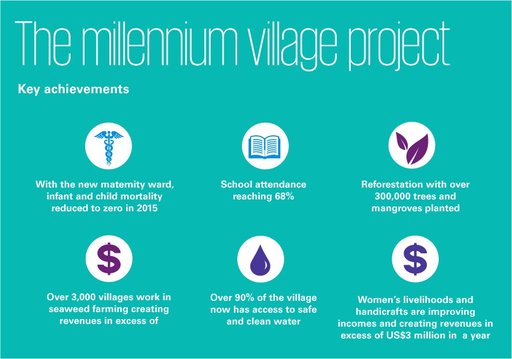
Pampaida, Nigeria was selected in order to reduce the mass desertification ravaging the village’s agriculture. The goal of this village was to utilize the 400-600 millimeters of annual rain to develop stronger agriculture programs. Furthermore, this goal plans to capitalize on the village’s large population of farmers and cattle raisers. So far, MVP has assisted in shifting farming to a more commercial approach. This includes helping farmers receive external financing and a local food market. Pampaida now has rice farms near the local river, their output of maize has increased by over 337%, and there has been a 30% increase in drinking water. The result of this has been a sharp reduction in malnutrition and child mortality.
In 2009, the program in Pampaida expanded and brought education and malaria prevention programs to the village. MVP instituted a CEW program, which helps develop education programs, mentors, and teacher training programs. This saw Pampaida’s population go from having just over 400 students to having 1,602 students. MVP was able to finance these school initiatives using donations from the commercial food program and donations from the State Universal Primary Education Board. Additionally, a clinic was installed in Pampaida to thwart the spread of malaria and HIV.

http://millenniumvillages.org/the-villages/pampaida-nigeria/
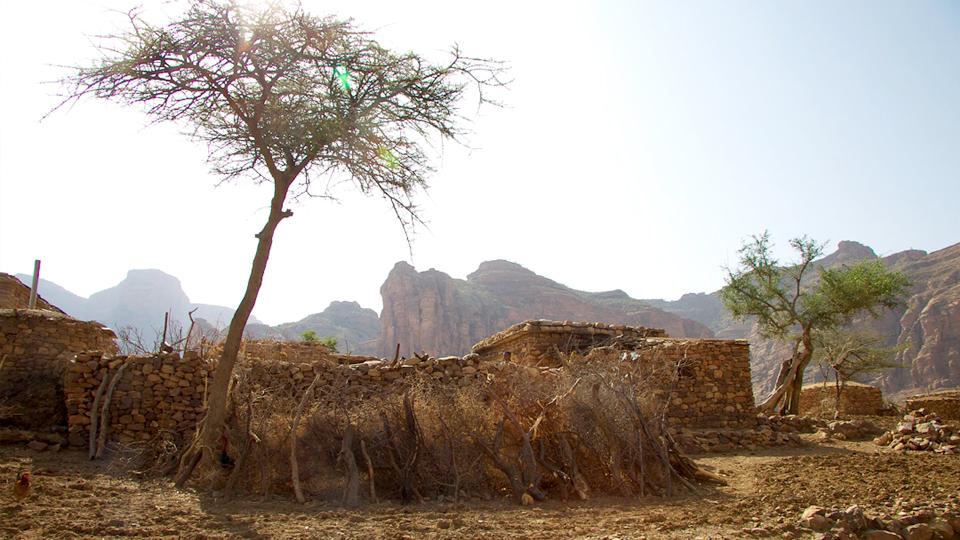
Koraro, Ethiopia was selected due to extreme poverty, lack of water, widespread malaria, high mortality rates, and lack of education. These factors were amplified due to the village’s location in the Koraro cluster, the poorest region in Ethiopia. MVP succeeded in three core efforts in Koraro, irrigation, gender equality, and business development. MVP partnered with Columbia University to create a rainwater harvesting system that brought fresh water to the village. Moreover, they created dairy farm jobs for 80 women. Finally, MVP helped install a beekeeping program with 1200 colonies, which allows the village to sell honey.
http://millenniumvillages.org/the-villages/koraro-ethiopia/
While the programs made a positive change, many argue the change should not be attributed to MVP. This is because numerous sources revealed that Sachs, the mastermind behind MVP, doctored numbers, and created unreliable analysis. In any reliable study, there must be control factors to compare MVP success in a village against success in a village without MVP. The initiative has no such method; thus, their information is without basis. This combination of manipulating statistics and unreliable comparisons makes it difficult to fully endorse MVP. This creates a deep personal conflict. I commend the efforts of MVP. The increase in education and positive utility is evident. However, I believe any aid effort must make every effort towards transparency. Every action taken by MVP has an opportunity cost, dollars spent, time used, recourses consumed that could have been used elsewhere. If there is no reliable method to ensure that these assets are creating positive change, then perhaps they should be allocated towards other programs or initiatives.
Sources:
http://millenniumvillages.org/field-notes/pampaida-a-model-of-rural-development-in-nigeria/
http://millenniumvillages.org/field-notes/boosting-community-education-workers-in-nigeria/
http://millenniumvillages.org/the-villages/pampaida-nigeria/
http://millenniumvillages.org/the-villages/koraro-ethiopia/
https://www.nature.com/articles/485147a
Post 1 – To Create Sustainability is to Create Change
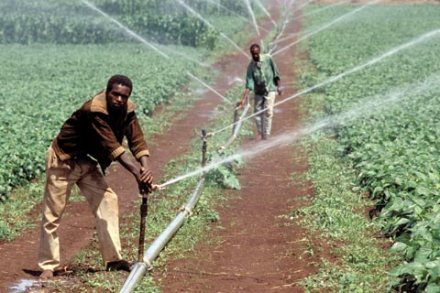
Today’s international community is tasked with defining and supporting those at risk. Moreover, the community must work towards understanding our impact in helping others. These issues are addressed by Jacqueline Novogratz. In her TED talk, she discusses her definition of poverty. Her definition varies between nations, but it is reflected in the four billion individuals that make less than four dollars a day. Her individual view is someone that makes one to three dollars a day. Moreover, she explains that this poverty is exacerbated but the demand for critical goods. Other speakers, such as Gary Haugen reinforce Novogratz stance and explain that many of these individuals live in nations without support systems to solve their problems. Additionally, in many cases, the local government creates more harm than help. Hence, they both argue that in order to create change, third parties must assist in creating sustainable systems in that country. Novogratz discusses organizations that help bring malaria bed factories and irrigation farms to Africa. Through bringing business to these countries, the individuals in that nation gain financials independence and opportunity for growth.
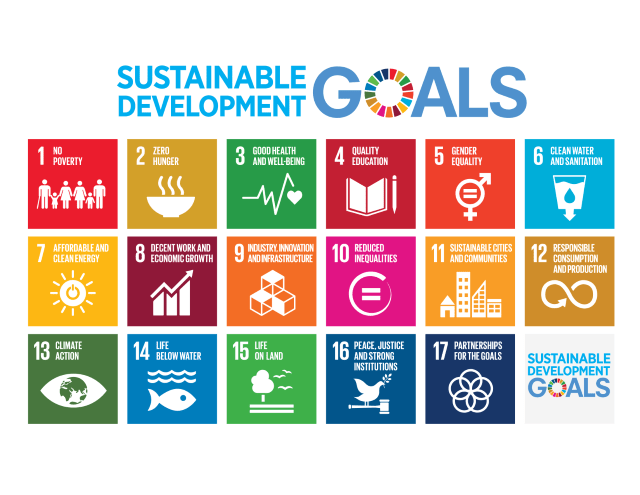
The primary example of attempting to create international change through funding and government support is the SDGs. The Sustainable Development Goals are an extension of the Millennium Develop Goals. These goals were created by a committee of wealthy nations and the United Nations to combat isolationist mentalities and support foreign aid efforts. The committee came together and committed to funding foreign aid projects that tackle some of the biggest global issues of our generation. The SDGs target poverty, gender inequality, climate change, and educational inequalities. Thus far, the SDGs have shown similar success to those of the MDGs, but not everyone in the international community supports this system. John McArthur labels these inactive groups, as “Players on the Bench”. The most notable “Player on the Bench” is the United States of America. The USA, under George W. Bush, launched its own initiative towards international issues. This agenda focused on many of the same issues, such as money for AIDs relief. This program stemmed from a desire to not feel obligated to abide by all UN policies. Tension between the UN and USA was reduced during the Obama administration, as Obama supported the initiative. However, the support was mainly related to positive diction rather than actual funding. The other major “Player on the Bench” is The World Bank. The World Bank did not help due to tension with the UN. The World Bank felt that the UN held too much international authority on MDGs. The bank was also concerned that the programs would not reach the necessary funding goals. McArthur argues that the bank should have been more active and would have solved many of their own concerns. With their helped, they could have helped prevent some shortcomings in funding and budgets. Moreover, they could have expanded their own international interests within the International Development Association. Overall, both parties’ disinterest harmed the programs and their own reputations.
However, Nancy Birdsall, Dani Rodrik, and Arvind Subramanian believe that wealthy countries injecting capital into poorer nations only causes temporary change, which is short-term and potentially harmful. The authors highlight Nicaragua and Vietnam as countries that have received substantial support without making significant growth. Additionally, foreign aid projects in Africa created financial vacuums in which success is almost entirely dependent on recurring donations. Instead, the authors offer suggestions for helping poorer countries develop success through international trade. Reducing agriculture tariffs would increase the possibility of both exporting and importing agricultural goods. On the other hand, many argue that the reduction of these tariffs would only cause marginal improvements. Therefore, solutions related to stabilizing other nations could create more dramatic improvements. The authors explain that assisting foreign governments, financing research, and assisting in creating a local economy would be more beneficial. Specifically, reducing foreign governments from manipulating the wealth of their country and engaging in corrupt behavior. In terms of development, creating technology markets and products in foreign nations has proven to increase local economies. These technology markets create the potential for billions of dollars created in the local economy.
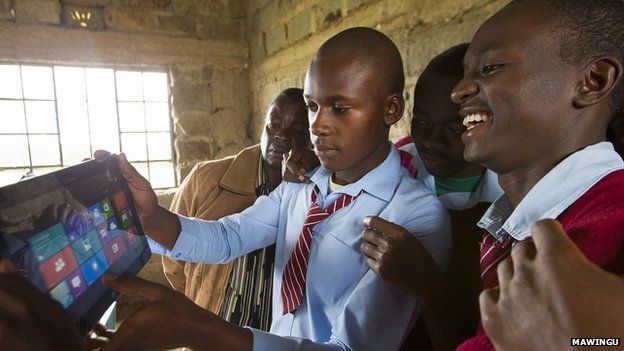
https://www.bbc.com/news/business-24524260
After conducting research and discussing both sides, I support the evidence that creating sustainability develops through local business has the highest probability of causing lasting change. The SDGs have created incredible impact, but the countries develop reliability on that aid. In the solutions outlined by Novogratz and “How to Help Poor Countries”, we see tangible solutions that develop a local economy. Moreover, through the creation of local economies and relevant business, families can support themselves for multiple generations.

