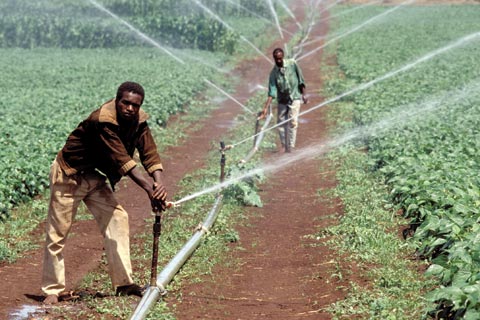
Today’s international community is tasked with defining and supporting those at risk. Moreover, the community must work towards understanding our impact in helping others. These issues are addressed by Jacqueline Novogratz. In her TED talk, she discusses her definition of poverty. Her definition varies between nations, but it is reflected in the four billion individuals that make less than four dollars a day. Her individual view is someone that makes one to three dollars a day. Moreover, she explains that this poverty is exacerbated but the demand for critical goods. Other speakers, such as Gary Haugen reinforce Novogratz stance and explain that many of these individuals live in nations without support systems to solve their problems. Additionally, in many cases, the local government creates more harm than help. Hence, they both argue that in order to create change, third parties must assist in creating sustainable systems in that country. Novogratz discusses organizations that help bring malaria bed factories and irrigation farms to Africa. Through bringing business to these countries, the individuals in that nation gain financials independence and opportunity for growth.
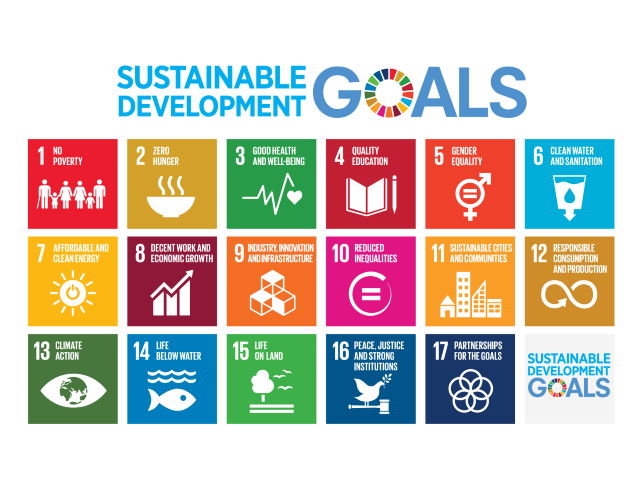
The primary example of attempting to create international change through funding and government support is the SDGs. The Sustainable Development Goals are an extension of the Millennium Develop Goals. These goals were created by a committee of wealthy nations and the United Nations to combat isolationist mentalities and support foreign aid efforts. The committee came together and committed to funding foreign aid projects that tackle some of the biggest global issues of our generation. The SDGs target poverty, gender inequality, climate change, and educational inequalities. Thus far, the SDGs have shown similar success to those of the MDGs, but not everyone in the international community supports this system. John McArthur labels these inactive groups, as “Players on the Bench”. The most notable “Player on the Bench” is the United States of America. The USA, under George W. Bush, launched its own initiative towards international issues. This agenda focused on many of the same issues, such as money for AIDs relief. This program stemmed from a desire to not feel obligated to abide by all UN policies. Tension between the UN and USA was reduced during the Obama administration, as Obama supported the initiative. However, the support was mainly related to positive diction rather than actual funding. The other major “Player on the Bench” is The World Bank. The World Bank did not help due to tension with the UN. The World Bank felt that the UN held too much international authority on MDGs. The bank was also concerned that the programs would not reach the necessary funding goals. McArthur argues that the bank should have been more active and would have solved many of their own concerns. With their helped, they could have helped prevent some shortcomings in funding and budgets. Moreover, they could have expanded their own international interests within the International Development Association. Overall, both parties’ disinterest harmed the programs and their own reputations.
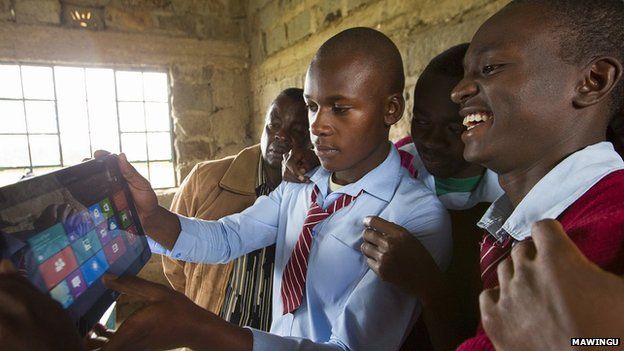
However, Nancy Birdsall, Dani Rodrik, and Arvind Subramanian believe that wealthy countries injecting capital into poorer nations only causes temporary change, which is short-term and potentially harmful. The authors highlight Nicaragua and Vietnam as countries that have received substantial support without making significant growth. Additionally, foreign aid projects in Africa created financial vacuums in which success is almost entirely dependent on recurring donations. Instead, the authors offer suggestions for helping poorer countries develop success through international trade. Reducing agriculture tariffs would increase the possibility of both exporting and importing agricultural goods. On the other hand, many argue that the reduction of these tariffs would only cause marginal improvements. Therefore, solutions related to stabilizing other nations could create more dramatic improvements. The authors explain that assisting foreign governments, financing research, and assisting in creating a local economy would be more beneficial. Specifically, reducing foreign governments from manipulating the wealth of their country and engaging in corrupt behavior. In terms of development, creating technology markets and products in foreign nations has proven to increase local economies. These technology markets create the potential for billions of dollars created in the local economy.
https://www.bbc.com/news/business-24524260
After conducting research and discussing both sides, I support the evidence that creating sustainability develops through local business has the highest probability of causing lasting change. The SDGs have created incredible impact, but the countries develop reliability on that aid. In the solutions outlined by Novogratz and “How to Help Poor Countries”, we see tangible solutions that develop a local economy. Moreover, through the creation of local economies and relevant business, families can support themselves for multiple generations.

