By Jacob Feist
Part 1a: The Cheetah & The Hippo
In Steven Radelet’s “Emerging Africa”, he describes a bright, young, creative, student named Patrick Awuah. Awuah is from Ghana, graduated from Swarthmore College, worked at Microsoft, and is determined to make a positive impact on the political landscape in Ghana. Patrick Awuah is also a perfect reflection of a growing community known as the Cheetah Generation.
The Cheetah Generation is a growing community of people working to usher in an era of innovation and accountability. While the generation is not defined by any specific demographic; it is mainly comprised of young, educated, motivated, leaders. Moreover, these leaders have been subtle, but effective in their mission to obtain authority within government, business, and civil society. They have been equally capable in establishing connections and political capital within the international community. Overall, their mission is to promote ideas technology, entrepreneurship, market power, good governance, and accountability.
https://www.ted.com/playlists/423/the_rise_of_africa_s_next_gene
However, the Cheetah Generation has met resistance, usually stemming from the contrasting group, The Hippo Generation. The Hippo Generation is a label tied to many current political and authoritarian leaders. These leaders typically came into power through leading revolutions, rebellions, and struggles for independence. Yet, many argue, while they were adept at combating colonial leaders, they are ineffective as political leaders. They have created systems that reduce transparency, reward loyalty over ability, and prevent modernization. This generation has also been merciless in their efforts to thwart those attempting to remove them from positions of power. They have threatened members of the Cheetah Generation, exiled outspoken political opponents, and littered political offices with allies and loyalists.
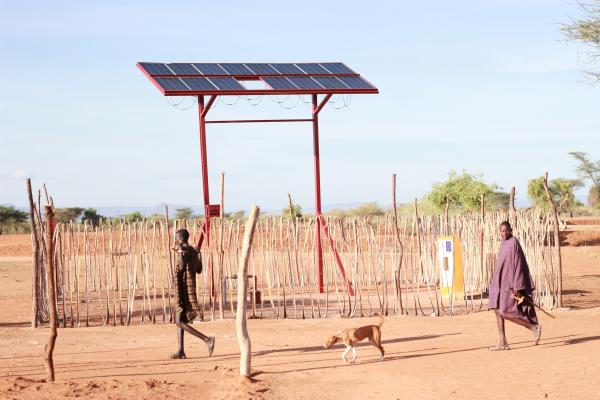
Amidst the conflict between the two groups, the Cheetah Generation has been effective in developing change. They have used their education, political capital, and leadership skills to promote innovation. They have worked to create affordable HIV treatments, bring women into positions of power, and install solar powered water pumps. Additionally, they have shifted the political focus away from colonialism and socialism and towards democracy, technology, business-friendly economy.
Part 1b: African ICT Explosion
The African ICT Explosion describes the rapid expansion and use of information technology in Africa. Today, farmers, fisherman, and businessmen in Africa are using the internet to exchange pricing information, market conditions, legal advice, and financial guidance. The result has been an increase in jobs, a more efficient economy, and an increase in business transparency. Moreover, entrepreneurship and education have increased as people are able to access microfinancing, coursework, and literacy training through their cellphones. On a larger scale, the ICT Explosion has reshaped politics as voter information and campaign transparency have also increased.
https://www.economist.com/middle-east-and-africa/2016/12/10/mobile-phones-are-transforming-africa
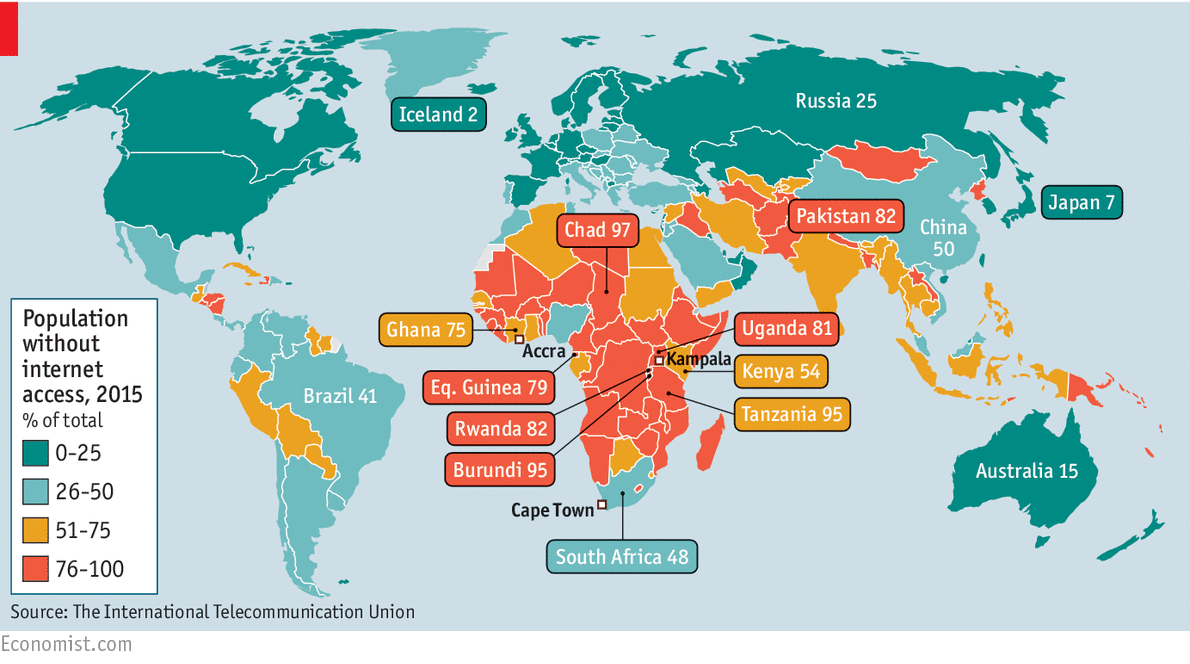
However, the African ICT Explosion is far from a perfect system. The primary issue is cost, on average internet access fees reach $366 USD. Additionally, the cost of expansion requires huge capital expenditures for satellites and wiring. Additionally, on a grand scale, the African ICT Explosion is a very limited sample size. Only 5% of Africans have readily available access to the internet. Hence, while the technological progress in Africa is impressive, the sustainability and ability to impact the greater African community are still unknown.
Part 2: Poverty Traps & Tanzania
In the book, Poor Economics, the concept of poverty traps is discussed. This concept outlines the tragic cycle the locks communities, or entire countries, into a cycle of poverty. Poverty traps are an extremely difficult problem that is impossible for the victim to overcome because they lack the money required to create a solution. These traps include rampant disease, difficult geography, or difficult environment. Thus, as the problem gets worse, the finances decline, and the poverty trap is created.
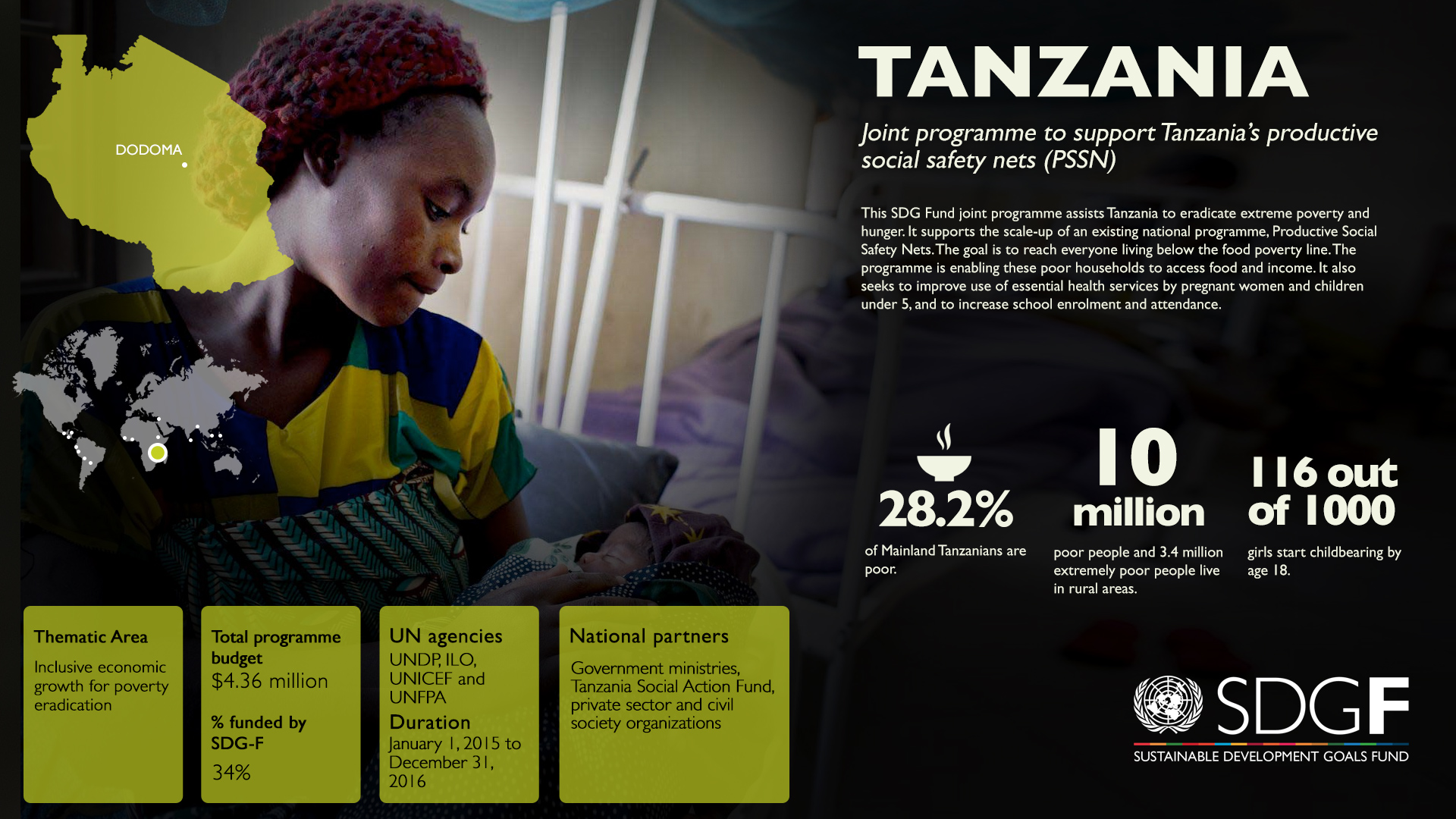
One country working to prevent the cycle from continuing is Tanzania. They have experienced a 6% annual economic increase over the past decade. Additionally, the President, John Pombe Magufuli, has received praise in his efforts to stimulate the economy and prevent government corruption. The country is also supported by a tourism industry for Mt. Kilimanjaro and Serengeti. Thus, poverty rates have declined, GDP has increased, and GNI has increased. The U.N. has also found success in their effort of supporting the Tanzania Productive Social Safety Nets Program. Their aid and guidance have helped the program give health services, food, and money to pregnant woman and children. The result has been increased attendance at school and lower mortality rates in the two groups.
However, the country still faces significant challenges. In spite of their economic development, a rapidly growing population is offsetting many of the results. In 2016, there was still a reported 12 million people living below the poverty line in Tanzania. Moreover, the country is challenged in human capital and infrastructure. Annually, 800,000 people enter the Tanzanian workforce, but there are not enough jobs to achieve anything close to full employment. There is also concern that Tanzania’s success is leading to less international funding and aid. The result has forced the government to start developing alternative methods for financing debt and funding programs.
Sources:

