By: Lana Henderson
Part I: Questions on Emerging Africa
Explain the meaning of a “Cheetah” and a “Big Man” also called the cheetah generation and the hippo generation? (Ch. 7 and 3 from last week’s reading) Explain how these terms refer to a different way of looking at democracy and civil society?
The cheetah generation is known as the new generation in emerging Africa that is more knowledgeable and involved with their government institutions. This intelligence is mostly tied to wealth and the ability to attend school but also discusses street smart as being a characteristic. This generation cares about looking at things through a new African point of view and not with the western/ colonial ideas that may have been pushed on them in the past. Even many cheetahs are beginning to emerge in African countries that are still facing many problems this presents hope to Africa about its future. Cheetahs are the ones responsible for bringing the new changes to their communities that are enacting these changes. Cheetahs also invest in new companies and businesses coming to their communities and being loyal consumers. Also due to their better availability to internet access they have a demand for honesty and transparency in their democracy in ways they haven’t always had. The big man on the other hand is a time defined by its high rise of dictatorships. During this post-colonial time many Africans were hopeful that new leadership would include democracy that protected their civil liberties. Instead they got leaders who used militaries to establish control and dismissing any entities established that were intended to maintain checks and balances. Essentially the Cheetah generation seems to be the ones that are going to help pull Africa out of the problems caused during the Hippo generation due to corruption in power.
Is Radelet’s positive view in Chapter 6 on the African ICT explosion valid and sustainable? What are challenges?
The ICT explosion has both been able to make a lot of changes to emerging African countries that have led to them being able to become more active in the globalizing world. With technology women are now able to start business and sell their products through the internet, people are able to communicate problems faster. The problem though has seemed to become its hard ability to access and big prices that are a lot higher than similar countries and even developed ones. Though there are a lot of aid organizations being formed that are aimed at alleviating this challenge through bringing access to areas that don’t have it. Phones though have not quite had as many limitation problems and they have helped to bring help to many different job fields in African countries. This is able to help businesses succeed better and know more about their peers to enable a best price market. This has also extended to teaching of language and literacy as well as opened up new sectors for job growth.
Part II: explore one country as assigned in class
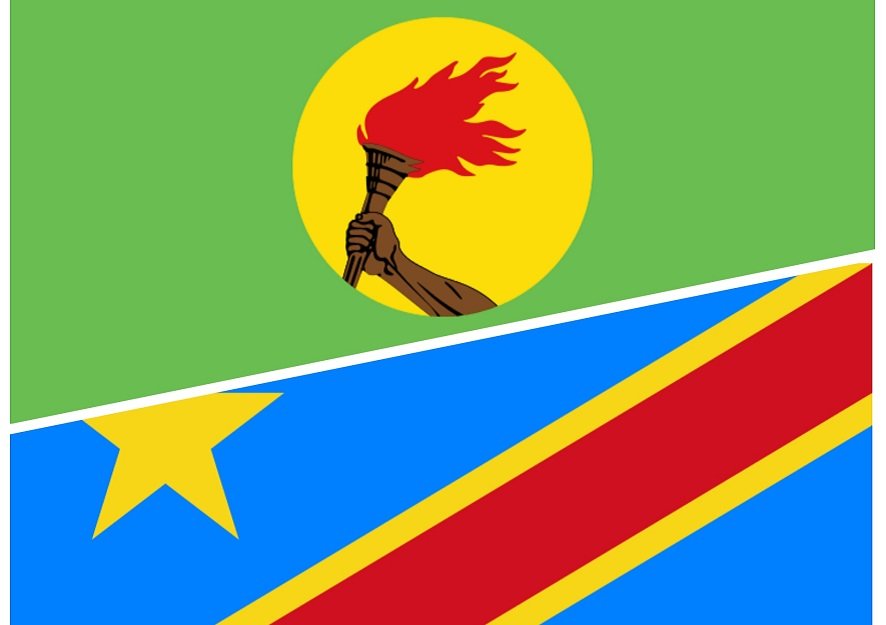
Zaire/Democratic Republic of the Congo
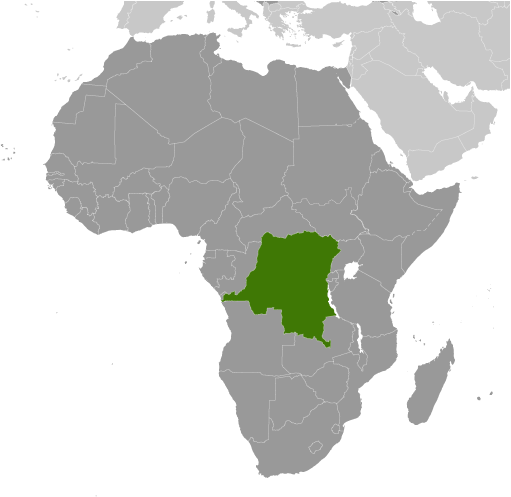
In 1997 the country of Zaire underwent a name change back to the name it had before 1971 of the Democratic Republic of the Congo. My country is not listed on the Banjaree and Duflo website. I do believe it is possible to get trapped in poverty through the way institutions are set up it is often hard for people to save up money and instead are living paycheck to paycheck. Especially in areas like these where it is easy to get sick or go an extended amount of time without consistent work it is not surprising that even if an opportunity to save money did present itself it is unlikely how long before a problem arose that required those finances. They discuss a hunger poverty trap that leads to many having to spend any money they have on food to be able to eat is one of the most basic necessities of life so if your choice is between going hungry or having no money you can only go without eating for so long. The DRC though it has improved still has notable problems with access to clean drinking water especially in rural areas where only 31% of the population has reliable access to clean water and 81% in urban areas. According to the world bank the Democratic Republic of the Congo has had a lot of sporadic data that seems to coincide with not only the changing of leaders but the change in names it encountered. The GDP remained on the lower side trending up and down until a sharp plunge down in 1999 that has been on a continuous increase since 2001, it reached its previous height in 2008 and has exponentially grown since then. Their GNI also follows the same trend line where 1999 was a low year that has increased since. The primary school enrollment was consistently high until 1984 when it dropped continuously hitting a record low in 1999 but around 2007 the number began to climb up now higher in 2015 than it was ever in previous years. While their import rates have remained relatively similar their export rates have increased by $2 billion.
The poverty headcount ratio is the only trendline where there is a decrease that has happened from its initial reading to the most current one, but this is on trend with how the other graphs have moved. When looking at the age structure the DRC has a high dependency population due to 41% of their population being between 0-14 years of age. One thing I found notable is that men’s school life expectancy is 11 years yet 11.3% of the male population is unemployed as compared to women whose school life expectancy is 9 years and only 6.8% of their population is unemployed. These numbers suggest that if the current young population is able to outlive disease and hunger then there will be a good amount of people coming into the workforce in the next few years. One thing that has continually been shown through our readings though is the loss there is between the capabilities of girls and the change women have made to their economies. Due to needing workers at home it is likely that daughters rather than sons will be the ones kept home away from their studies but even seen within the unemployment rates women often to more to contribute to the rise of their societies. Though in 2017 the rate of child marriages declined by a lot creating hope that parents are investing more in their children’s especially daughters’ futures. The SDG’s partnered with DRC is one that is a Young African Leaders that works to make a strong “cheetah” generation vibe that talks about the youth becoming more involved in the institutions that govern them so they can have strong skills in being a part of their emerging society. Though as of last year they had an ebola outbreak that affected many who were younger than 5 years old according to CNN. Their rates are the second deadliest recorded in history so looking forward how much of this population can survive or be strong enough to join this new discussed workforce.
References
Africa :: Congo, Democratic Republic of the — The World Factbook – Central Intelligence Agency. https://www.cia.gov/library/publications/the-world-factbook/geos/cg.html. Accessed 12 Feb. 2019.
CNN, Rob Picheta. “Nearly 100 Children Dead from Ebola in Congo as Crisis Worsens.” CNN, https://www.cnn.com/2019/02/10/health/ebola-save-the-children-report-intl/index.html. Accessed 13 Feb. 2019.
Congo, Dem. Rep. | Data. https://data.worldbank.org/country/congo-dem-rep?view=chart. Accessed 12 Feb. 2019.
“Human Capital Definition and Importance – Economics Help.” Economics Help, https://www.economicshelp.org/blog/26076/economics/human-capital-definition-and-importance/. Accessed 12 Feb. 2019.
“Year in Review: 2017 in 12 Charts.” World Bank, http://www.worldbank.org/en/news/feature/2017/12/15/year-in-review-2017-in-12-charts. Accessed 12 Feb. 2019.
YOUNG AFRICAN LEADERS INITIATIVE – RLC EA – United Nations Partnerships for SDGs Platform. https://sustainabledevelopment.un.org/partnership/?p=26780. Accessed 13 Feb. 2019.
[Today in History] Zaire Renamed the Democratic Republic of Congo after Mobutu’s Ouster – Face2Face Africa. https://face2faceafrica.com/article/today-in-history-zaire-renamed-the-democratic-republic-of-congo-after-mobutus-ouster. Accessed 13 Feb. 2019.Heading

