By: Lana Henderson
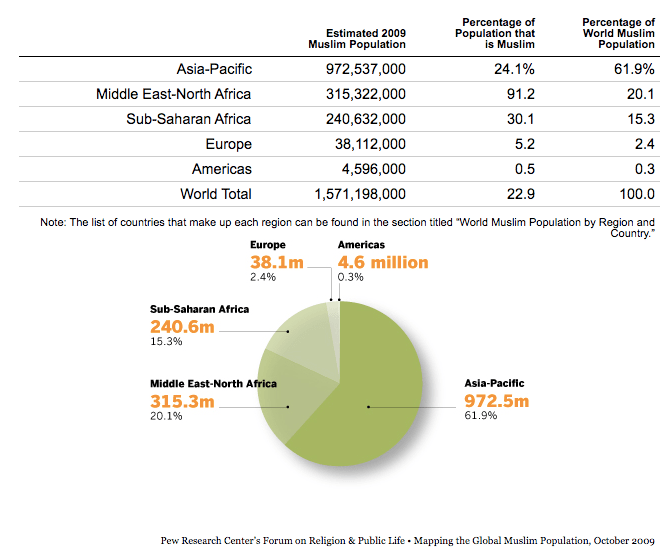
Justin Viasse in the article “Muslims in Europe: A Short Introduction” discusses four myths that are circulating about the Muslim population in Europe. One of these myths is that demographically there is a rise of Muslims to the point of them surpassing the already existing population. Viasse discusses that this is untrue because when looking at the strengthening regulations on immigration there is a very low chance that Muslims would have the opportunity to grow any bigger than around five percent of the population in these countries. Another myth discussed is that the Muslim population is foreign to European customs and therefore would not be able to assimilate into the society’s they join. Viasse discusses that European and Muslim cultures have already had many interactions throughout history even to the point of having some Muslim practices integrated into current European society. There is also a need to distinct between culture and religion and although there are many connections between Islam and middle Eastern cultures there are also many proudly European but are also practicing Muslims. This leads into the next myth of discussing the idea that there a specific identity tied to being a Muslim and they are an easily categorized group. Viasse discusses that this is common within the way Muslims are discussed in the European media where they are often demonized or talked about in a light that depicts Muslims in a us vs them manner. The final myth is tied to this one discussing the idea that Muslims in Europe are a hostile and unified group. Viasse discusses that there is a lot of division within Islam with different sects and ethnicities and political identities. In this way Muslims are often believed and perceived to be a group within the Middle East that are trying to take over Europe on a unified front when really it is a religion that is practiced differently by many people all over the world.
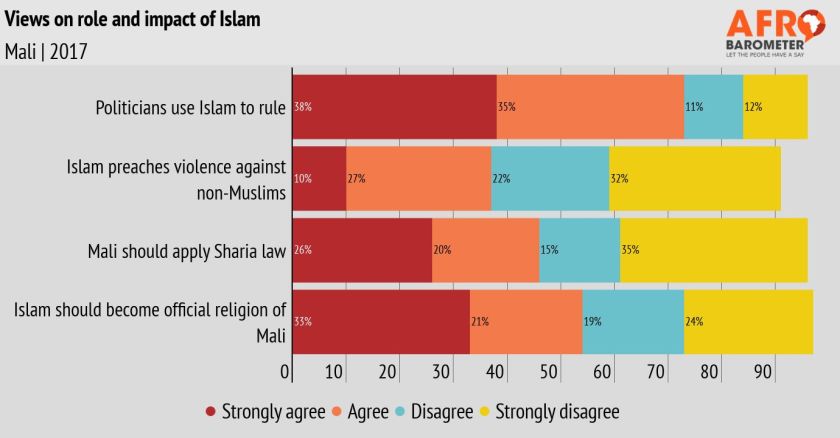
In the text by Shireen Hunter discusses the need to make distinctions between Islam as religious or political due to different systems. When discussing Islam in a religious context you first need to look at the Quran to understand the principles that guide this religion. Therefore, a Muslim in the religious dimension is someone who follows the practices set within the Quran, similar to Christianity and the Bible or Judaism and the Torah. Though hunter things it is important to make it clear that whether someone follows the Quran or not if someone characterizes themselves as of that faith than they are, and it cannot be only defined by how much they incorporate the Quran into their lives. When looking at Islam in a political context there is a look into the rules stated by the Quran and implementing them into society’s rules and looking at the words of the Quran to interpret them into the modern society. One of the major notable differences is that within religion is really controlled by the individual who follows the faith and in the political dimension there is social and even sometimes governmental consequences of not following the word of the Quran.
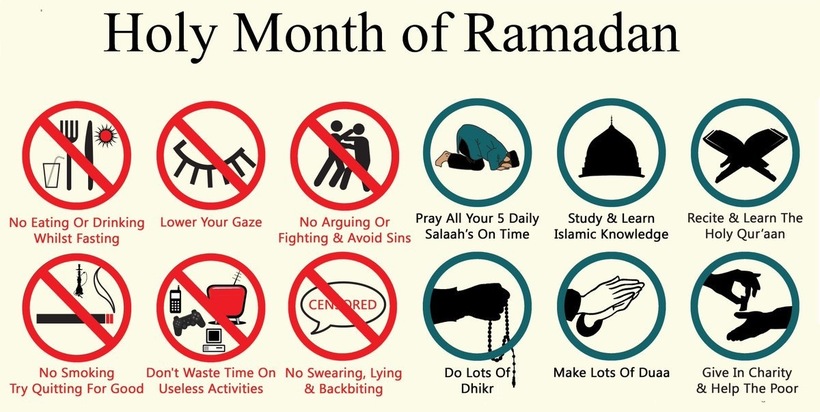
One of the problems that is faces in education and social rifts in Europe due to the educational emphasis on standard math, science and reading and there is a loss of understanding other cultures. Due to this there is a population of children and adults who have grown up with racist of xenophobic ideas due to the us vs them mentality instilled by the media added by a lack of educational systems aiding these social tensions. This leads to a division of communities with both sides being less willing to integrate into each other’s communities for fear of the unknown or the stereotypes they have learned to identify these groups with. Due to this there is a greater tie to religion in these European cultures to the point where even European born Muslims face in not feeling included into their own country’s identities due to the religion they practice. Ramadan is a Muslim holiday that incorporates the principles of Islam established by the Quran. Unlike what may be circulated in the media when it comes to Islam these principles guide Muslims to engage in peace and knowledge. There is a principle within the religion to educate on other religions and cultures due to being able to coexist peacefully through a mutual understanding and respect from both sides. Islam preaches the acceptance of others and a celebration of the things that make us different because unlike other mentalities Muslims see a deeper connection to their own religion and culture through being knowledgeable about others.
Resources
AD211: Malians Split on Role of Islam in Country, but Majority Feel Politicians Use Religion to Rule | Afrobarometer. http://afrobarometer.org/publications/ad211-malians-split-role-islam-country-majority-feel-politicians-use-religion-rule. Accessed 12 Mar. 2019.
Almontaser, Dr Debbie. “Ramadan in the Workplace.” Huffington Post, 3 June 2017, https://www.huffingtonpost.com/entry/ramadan-in-the-workplace_us_593236d0e4b00573ab57a392.
Hunter. Islam, Europe Second Religion.
Sardar & Davies. Islam.
Viasse, Justin. Muslims in Europe: A Short Introduction,” Pdf on Canvas-Islam in Europe.https://missouri.instructure.com/courses/18213/files/3732585?module_item_id=1104158. Accessed 12 Mar. 2019.

