By Amber Jones, 3/5/2019, Blog Post #6
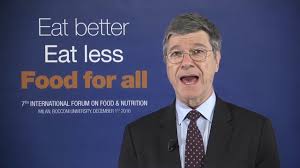
The debate on development is one of intrigue and deserves the spotlight among the economic community. When deciding “sides”, I really believe in Jeffery Sachs. His ideals are optimistic, and lead to believe that improving development in countries where poverty is a large problem will allow the people in these countries to improve their quality of life and help reduce poverty. Sachs helped oversee the Millennium projects works while serving as the director of the United Nations, as well as being the director of the UN sustainable development solutions network. I believe his work with the UN and seeing this issues upfront help shape his economic views, and lead his work to show that development helps these countries reduce their poverty rates. In a great example that we have discussed in previous weeks, programs like the millennium villages help these people improve their situation. In Mali alone, people were brought more irrigation access, more healthcare access, and better ways to financial serve their families. Programs like these are what Sachs believes in and helps put into effect. His views that development can be sustainable are what these countries need, and we need to be able to build upon them to help the poverty stricken areas in Africa. Sachs promotes forums not only on economics and financials, but also how we can aid poverty stricken countries in their food and lifestyle habits. He also helps these forums illustrate how simple it could be in theory to use food more efficiently and feed the world, so to speak.
Now, even though I believe Sachs has the upper hand, William Easterly brings up a good point in the debate. Easterly claims that Africa should be left alone. Obviously this is in contrast to what Sachs is arguing, but there is some truth to Easterly’s opinion. With the projects and developments that have already been implemented in Africa, the countries need to be open to free trade and industry, and learn how to utilize the new democracies that are forming. Thanks to Sachs ideas and projects of aid, many of the African countries have the tools to reduce the amount of poverty, but the countries need to learn to do it on their own, or they will never break the cycle.
In looking at how Banerjee and Duflo look at the SDG goals, we can see that they do address the needs of the countries. But even though they give ideas to achieve sustainable development, the ability to end poverty is far from attainable right now. One big reason is that while governments are moving towards democracy, many still have corrupt portions of their governments. Not only that, but many areas still suffer from poverty traps, and cannot break out of the cycle. These reasons can be due to poor farming, poor resources, bad governments, or lack of resources.
The solution? There are many that we can look at, and help promote. We first look at some of Jeffery Sachs ideas. The millennium goals helped achieve development in certain parts of certain countries within Africa. We go back to this idea of the Millennium villages, and realize that the improvements made they made can be made sustainable, as long as they are given appropriate resources. In Mali alone, the villages that were chosen to be a part of this project saw increased growth, healthcare, a reduction in malaria, and an increase in wages for those who were suffering in poverty.
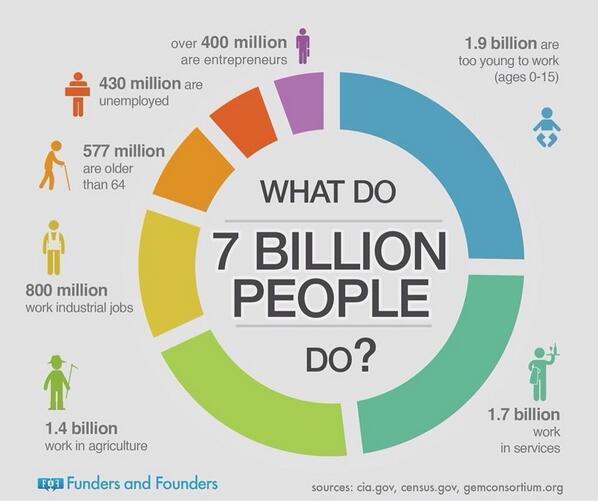
Not only do the millennium projects give hope into the SDG’s, but we also have to look at the monetary solutions. When we researched micro – credits last week, these payment methods and investments tend to aide the countries and the poverty stricken in them in ways that most banks wouldn’t. By focusing on the needs of those suffering in severe poverty, the development of appropriate funding for farming needs or other familial sustaining is now attainable for these. The only problem with some of these companies, is that they are on the verge on bankruptcy. There needs to be more initiative and funding for these programs so that they can return more to the communities they serve, and gain the trust of the citizens that they have lost. The image below reminds us the magnitude of the world population and how industry affects us. 1.4 billion people alone work in farming, and to be able to help sustain these people helps aid those who can’t work, like the 1.9 billion too young, or the 577 million who are elderly. Micro – finance works to help these people, and help relieve the stress of being severely poverty stricken by investing in them, so that they can contribute more to their own families and communities.