By: Lana Henderson
I side most with Jefferey Sachs on this debate, though there is one point that Easterly makes that I agree with. Sachs promotes a policy where aid is directed toward specific things that can be easily fixed and make a lasting impact through generations. These things could be as simple as vaccines, malaria nets, clean water, infrastructure and many other things that are small but are also inaccessible and causing significant death in some countries. The problem is with Sachs small scale impact following his plan he didn’t take variable recordings to make sure that his change could be noted. One thing that Sachs is notable of is the poverty trap which is institutional barriers that keep people from being able to raise in class or really even get out of “poverty”. When looking at racism there has be an understanding that at its core it is an institutionally backed oppressor of a certain race. So you can’t look at Africa now or many countries without first considering their colonization history and what influences that had on their economy and society. One reason I agree with Easterly is because of his free trade ideals, these could help a market flourish in these times because sadly fair trade though it is morally better and many times better for the environment its more expensive than the free trade market. Though many times the Free trade market is able to be so cheap due to its use of labor laws and company laws that if they were implemented in countries like America many people would be outrage. Many people admit though that even though that may be the case they are not willing to give up their cheap prices. My fault with Easterly is that he isn’t really as open to the idea of the poverty trap and its lasting affects but instead promotes his plan that these countries are completely self-sufficient if we back out we see that they face these extremely hard plights every day and find a way to live. Although overall Easterly believes that countries would benefit greatly if we cut off aid completely, so they weren’t so dependent on other countries. Both sides and I can definitely agree though the changes with aid or without make little difference in a place where there is a government that is not protecting the wellbeing of its people and instead has separate interests.
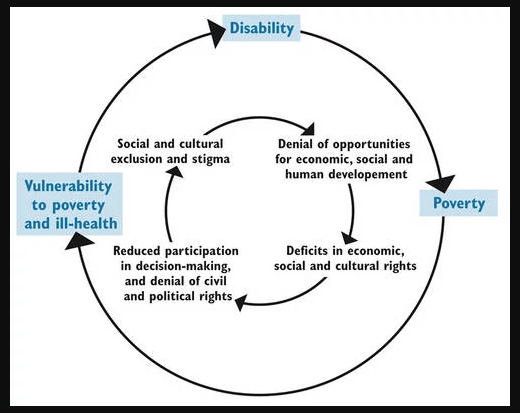
This reaffirms the debates from earlier weeks that though Jeffrey Sachs has a plan that in theory seems like it could be a good start to creating lasting change in African countries he failed to collect the data to back this up. Due to that many other economists can look at these economies and suggest other things that came into play that made a difference such as the digital age and the jobs that it brought with it. Easterly believes that countries are able to grow naturally and that often aid ends up making no notable impact in some places. The Bookings article discusses some the same ideas due to the choice of the western aid companies there are certain countries that are known as donor darlings that receive a lot of international attention and aid and may be said to have a better chance at success than donor orphans who are not as often given the continual and consistent attention that the darlings get to benefit from. The article further goes on to discuss how these are the ways that aid can fall off track for certain countries and though there has been a notable decrease in the amount of poverty listed through SDG goals there are certain areas that have made major impacts to this number while others are not having the same fate.

Banerjee and Duflo discuss micro credits as a solution that could help countries grow business that were sustainable while also incorporating aid in a way that made them investors instead of aid. As Easterly discussed, there can be problems were aid when not used sufficiently will not be as successful as people had hoped in their donations. This changes with micro credits because instead of seeing it as money lost people can see it as money invested and watch how their money is making a direct change in business or in the market of the businesses that they help. One problems with this is that there is a media outlook on many of these same countries that portrays them as helpless or unable to get it together when they are given a chance/aid. There is a lack of telling the full story of Africa when there is a one sided story that is shown and people don’t want to invest in a place that they think is going to be unsuccessful and will end in them losing money and helping no one. Chimamanda Ngozi Adichie addresses this in her TED talk title “The danger of a single story”. She discusses how she realized she and her country was viewed by those in the developing world. People see the continent of Africa as this hopeless poverty filled place because that is the only story they have ever been told. Chimamanda discusses how the Nigeria she grew up in was very different than the Nigeria her peers at university in England had been told about.This is the talk addressing the need to look at countries through more than just one point of view. This was found on the TEDtalk website.
Resources
Adichie, Chimamanda Ngozi. The Danger of a Single Story. http://www.ted.com, https://www.ted.com/talks/chimamanda_adichie_the_danger_of_a_single_story?language=en. Accessed 5 Mar. 2019.
Earth Institute. Jeffrey Sachs on CBC. YouTube, https://www.youtube.com/watch?v=CNWzYy186W8&frags=pl%2Cwn. Accessed 5 Mar. 2019.
“Poverty Traps.” Health in Tamil Nadu, India Wiki, https://healthintamilnaduindia.fandom.com/wiki/Category:Poverty_traps. Accessed 5 Mar. 2019.
“Sustainable Development Goals.” UNDP, https://www.undp.org/content/undp/en/home/sustainable-development-goals.html. Accessed 5 Mar. 2019.
World Affairs. William Easterly: Freedom as a Solution to Poverty. YouTube, https://www.youtube.com/watch?v=ibJHEJrOs2s. Accessed 5 Mar. 2019.

