Amber Jones, Blog Post #9
When we look at Zenni and Parker’s explanation of this notion of “Failure to Immigrate” regarding Muslims in Europe, we have to understand the perspective they are writing from. The authors point out that, much like Western culture, many European nations have painted Islam to be a religion that is anti – European culture, and one that cannot or does not fit in with the social structure of modern European countries. But why is this?
First, we look at how the media portrays this group. As we’ve talked in former class periods and blog posts, this idea of Muslim and Islam to many who don’t fully understand the difference between the culture and the religion tend to just lump them all together. Because of this, the media uses fear tactics to spread mis-truths and misunderstandings, to a degree. The portrayal of the head scarf as being a tool of oppression, instead of a religious choice, or the radical fringe of Islam who perpetrate horrible acts being broadcasted worldwide, while the good that their communities do is overshadowed plays a huge role in how these countries view the culture and religion. Because these ill representations are broadcast more than the good, communities and governments seek to try to keep them out, thus thinking they are protecting their citizens. When we look at the infographic below from Al – Jazeera, it is important to notice that the majority of all countries listed SUPPORT this idea of a halt in Muslim immigration. What’s even more bizarre is that Poland is the highest supporter, but… has the lowest percentage of Muslim population in relation to the other countries listed. This begs the question why?

https://www.aljazeera.com/indepth/interactive/2017/02/europeans-ban-muslim-immigration-170209212657135.html
Not only is the media responsible, but Zenni and Parker talk about this idea of the Muslim culture being opponents of free markets and trading, but this is also a lie. While it is noted that the Muslim community is particular, they by no means seek to hinder or halt trading, or anything that would pose threats to the communities at large. The majority realize that trade among cultures promotes not only sharing of goods and services, but also of sharing culture and understanding.
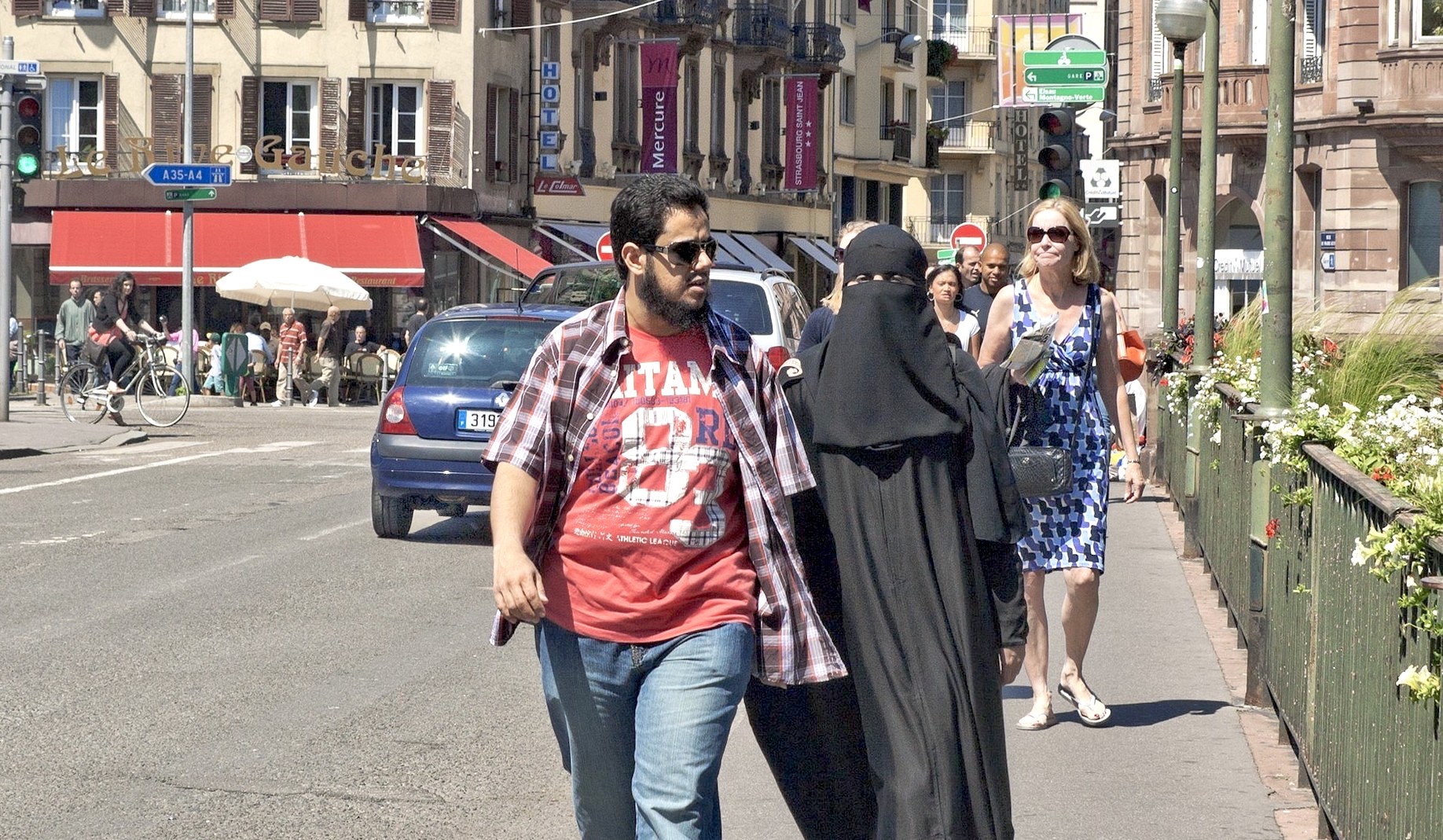
Because of these factors, we realize that Europe is seeking to create a society in which their own views and cultures are celebrated, but those of outside influence are dangerous, and have the potential to oppose society. This burdens the Muslim population, as they must seek to not only integrate into new cultures but have to also prove that they seek to be an active member of that society, and “fit in”. The reason this is an issue, is that like any culture, the Muslim population seeks to hold their identity, and this creates tensions within the culture and communities that these peoples have immigrated into and makes the society around them exclude them or treat them as outsiders.
Shifting from this idea, I’d now like to focus on how my perception of “The Dispossessed” and “My Escape” really relate to this discussion of “Fearful Immigration”. “The Dispossessed” tries to normalize an issue and get the audience to understand how these people are affected when immigrating. I found it interesting that the authors not only spoke of Europe being the front line of the refugee crisis, but also highlights that Africa faces refugee immigration as well. But since we are speaking of Europe, I’ll focus on how the article applies to it. One of the most poignant points this article makes is that many of the countries that these refugees are seeking refuge do not even have the appropriate amount of resources to house and care for them. The article speaks of Jordan, and that while Jordan is a moderate and stable Arab state, it has very few natural resources, as well as having civil wars. The article remarks the Jordan has coped well, but for how long? And we have to ask this question to all countries who are hosting refugees. While first world countries are more equipped to handle these peoples, we find that they are often the countries taking the least amount of refugees, including European nations. This attitude is due for adjustment, as the top two countries worldwide housing these people are Lebanon at #1 and Jordan at #2. This is staggering, considering neither of these countries have near the resources that many of the European nations have.
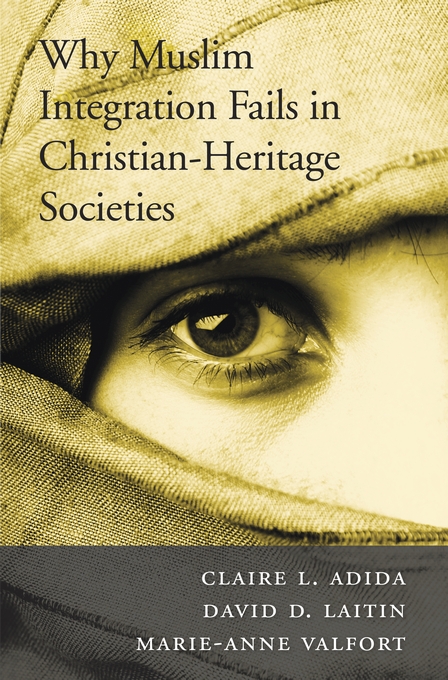
It is important to note these differences and understand that stories like “The Dispossessed” and “My Escape” really highlight the plight of both the refugees and the countries that receive them. We note that more countries need to be more open and accepting and stop blaming the many for the fringe. These peoples are refugees because they seek to also free themselves from the radical sides and seek to only live in peace with themselves and the societies they choose. It will require change in opinions in governments and communities alike, and that change is not easy nor does it come overnight, but advocating and spreading the word of the plight of these people, as well as the good they do and the attributes they can bring to the cultures they immigrate to. Even referencing the book above, many still have this idea that the Islamic faith is incompatible with other Christianity based religions and society, but what we have to start tuning our thought processes to is this idea of acceptance. Jesus preached acceptance among all, so who are we to judge a singular faith and culture, without giving them a chance?
https://immigrationlab.org/project/the-struggle-to-integrate-muslims-in-europe/

