Part a: Explaining the “Failure of Integration”
In Chapter 13 of “Islam, Europe’s Second Religion” the authors Zemni and Parker outline the current aspects of European culture halting Muslim Integration. They outline the political efforts of creating a “multicultural Europe” and mindsets towards this initiative.
The current issue plaguing efforts of immigrant integration is European discourse has shaped Islam as an anti-Europe religion. Articles, news stories, and public images have focused on creating an image of immigrants fighting free market economics and international trade. These claims are obviously false, but nonetheless create a toxic environment for discussions about Islam on the going efforts for a more multicultural Europe. Moreover, this mindset is not limited to citizens, it extends to members of great power an authority. This is evident in Willy Claes, former Secretary General of NATO, labelling Islam as a threat to Europe.
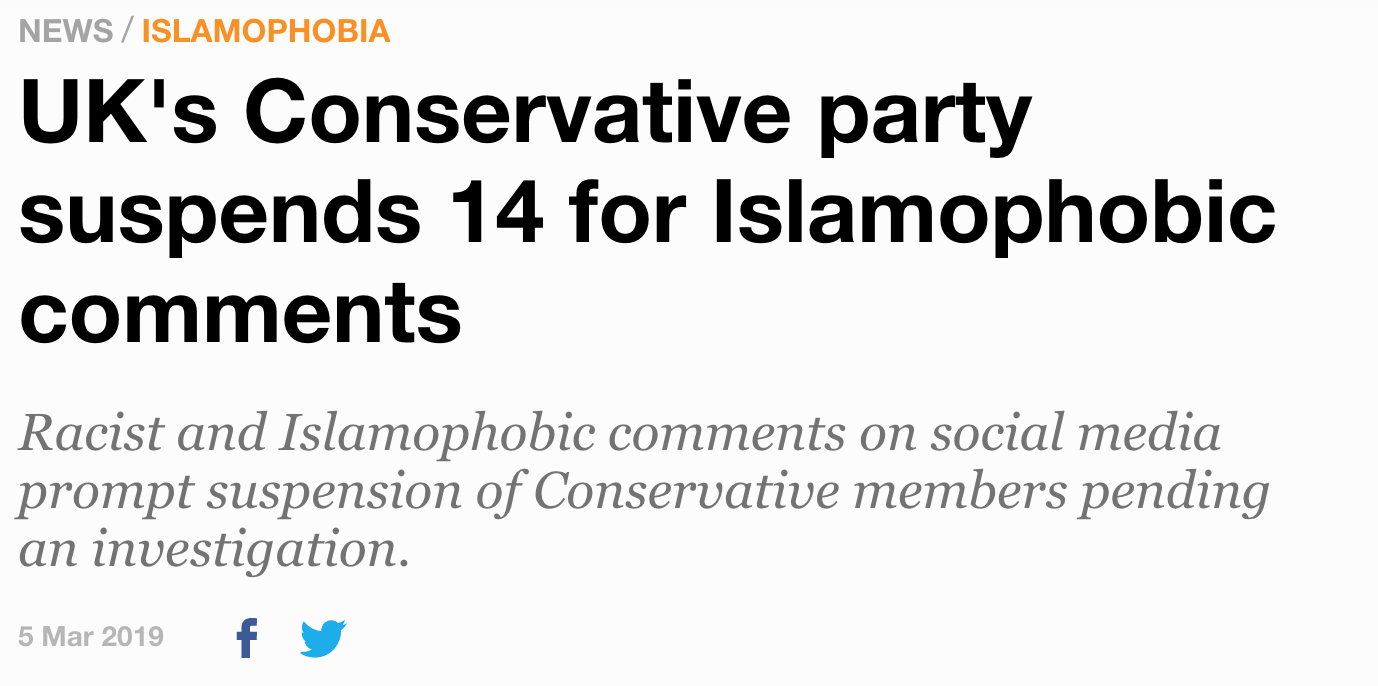
Additionally, historical associations with the term “multicultural Europe” create a negative perspective on the whole project. The term originates from the observance and research of Muslim integration in the 1980s. These topics usually focused on the failure to integrate those that migrated to the country for low-income jobs during the 1950s. Moreover, these discussions and articles created the image focused on difference. A mindset was created of us, the Europeans, against them, the immigrants.
This cultural and mindset shift also created a barrier of culture. The authors explain that many Europeans began to see culture as something that must maintain a relationship with politics and civil society. Thus, by default, a culture either builds or opposes society. Compounded with a growing skepticism of Muslim immigrants, this created greater tension between the two communities as people saw Muslim culture as an opposition of European culture.
Zemni and Parker conclude that as native Europeans become more animus towards immigrants, immigrants are less educated about current social norms and are not given the opportunity to form their own imprint or impression. Thus, distance between the two grow and the these pre-conceived notions often becomes “self-fulfilling” (Chapter 13).
Part b: Reaction towards “The Dispossessed” & “My Escape”
During this year’s True/False festival, I had the pleasure of attending the film, “Midnight Traveler”. The documentary by Hassan Fazili outlines his harrowing journey from Afghanistan to Germany after, the Taliban put out a kill order for him and his family. The family is tested by corrupt smugglers, packed into crowded refugee centers, and setback by bureaucracy and anti-immigration policies. The film showed the true trials and tribulations of a family in peril and their search for a better life. It truly humanized a greater issue and put the idea of immigration and the aspiration of immigrants into perspective. Similarly, the video “My Escape” achieves a the same goal with its detailed filming of individuals stories of immigration.
Moreover, the comic, “The Dispossessed” invoked similar feelings. It is able to humanize a very macro-issue and allow the viewer to empathize with the individuals affected. The comic did a fabulous job weaving photos and comic to create an engaging medium for Muhanid’s story. Additionally, it showed the individual setbacks and dangers that immigrant families face.
These stories, “The Dispossessed”, “Midnight Traveler”, and “My Escape” are crucial in creating a dialogue about immigration. Many people engaging in debates about the topic of immigration are uninformed about realties of immigration. Often it feels that people focus on biased rhetoric or dated stereotypes. Stories like these allow for people to understand the greater issue through an individual. It makes the topic much easier to understand and analyze. Moreover, if it gives greater context to why certain policies exist or should not exist. On a large scale, these stories have the potential create informed voters and lasting change.

