By: Lana Henderson
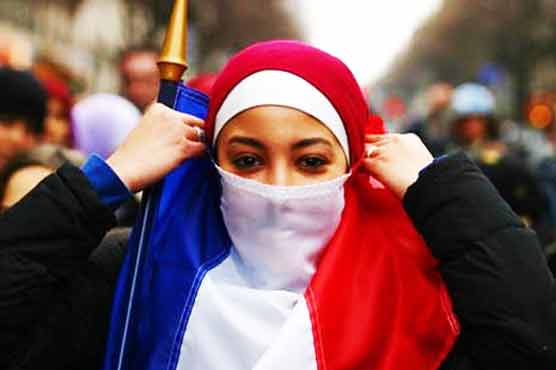
The history of Muslims in France is very similar to most immigration stories for those new to the western world. When Muslim immigrants began to enter France there was a movement to try and assimilate them into their new culture. Scott discusses that many Muslim immigrants came from the north African regions and were seen as un civilized based on French standards. When looking at France’s colonization within Africa it is not surprising the way that African immigrants were treated once they came to France as many of the cultural colonization stereotypes and treatments carried into immigration. Women in particular had even more issues when it came to being Muslim in their new French civilizations. During colonization Northern African woman faced a lot of sexualization and exploitation of their bodies and positions in society reduced to sexual work as a means of their value. These are not the only ideas that also made their way over to France and perpetuated racist and sexist stereotypes about the Muslim immigrants. Due to the recent terrorist attacks in the past 10 years and the way this has shaped the rhetoric of Muslims in the media. Though there are monuments in France that tie to the Muslim history in France such as in the edge of the Latin Quarter with an ancient mosque that is historically said to be an area that had many different kinds of people walking around and preforming.
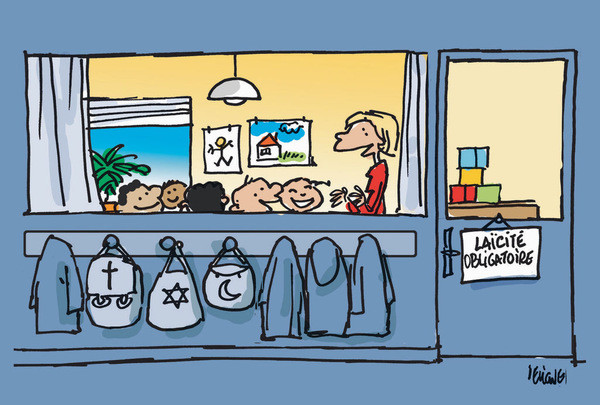
Laïcité is unique in some ways from the way secularism is discussed in certain other countries but is unique in its practice. China is one country that comes to mind when thinking of secularism and the way they have integrated that even into their government. China is an extreme version of a government that has turned secularism into a religion in its own way by making the government the “gods” or entities to be looked up to and praised for all they have done to make the lives of the citizens better. The French focus more on individualism though the same idea of being united through a French nationality is similar to the patriotism seen in secular countries such as china and a belief that what matter is having a strong tie to your national identity. Scott explains that the headscarf ban in French was tied to Laïcité due to the secular movement tie with protecting French citizens from being rules under a religion. The headscarf worm by many women who practice Islam is a clear way to mark a group outside of what is considered the cultural normal in Western Culture. In the French societal tradition of Laïcité, is the idea of individualism and having your own style belief and individualism that ties people more in unification under their French identity than to any specific group they are tied to.
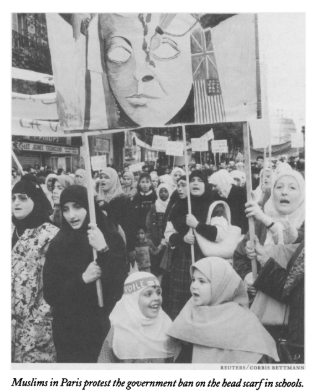
Laïcité is also meant to be a way in French eyes to promote equality through everyone being French no matter what race, religion or anything else they follow. Though the headscarf worn by many women who practice Islam to many in France goes against the traditions of Laïcité that they grew up in and in many cases distinguishes the group from other French citizens therefore the headscarves have been targeted in legislature that requires people not to wear them. Many women and organization in response to these laws began forming protests against the laws that caused this discrimination.
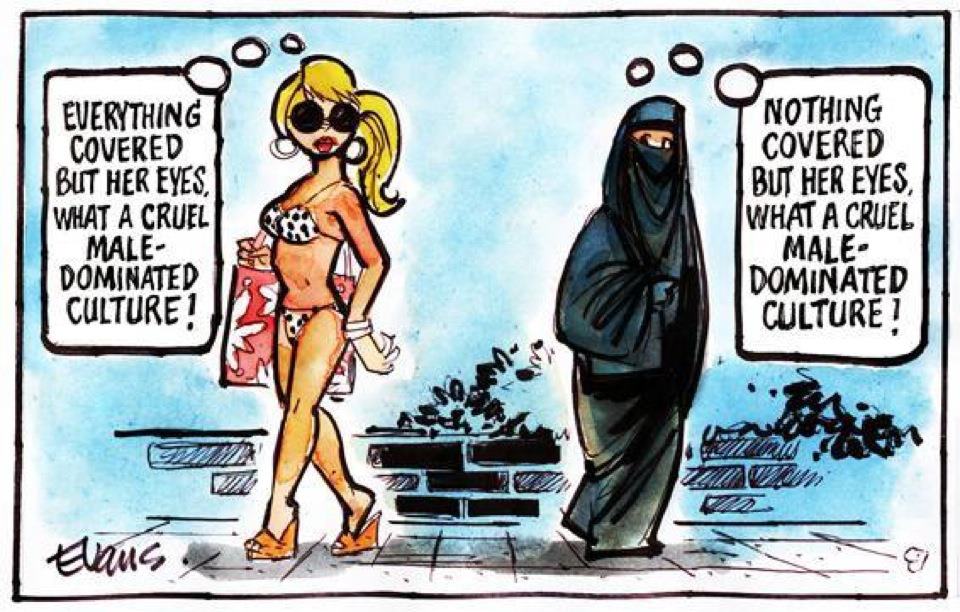
Due to the different way’s sexuality is explored in Western Culture and the way that other cultures are left out of general education has certainly led to a lack of understanding with differences in other cultures. I personally side with people who choose to rise up against unjust laws based in the French principle Laïcité. I think that at its core Laïcité is about celebrating being French and practicing your faith doesn’t take away from your national identity. This goes back to the discussions we had last week about Islam in a political context versus a religious context. One of the major notable differences is that within religion is really controlled by the individual who follows the faith and in the political dimension there is social and even sometimes governmental consequences of not following the word of the Quran. I think people misinterpret a practicing of faith with oppression, in many cases in the Western world women who wear the Quran have made this choice for themselves because unlike laws that may permit them not to wear them there really is no law permitting them to wear them. I’m not saying this is the case for all Muslim women in the western world but really most times it’s a lack of understanding how this act helps women to feel connected to their faith. Many times, women even began wearing the headscarf because their rights to wear it was taken from them. There is no doubt women around the world who experience oppression through wearing the headscarf but is not the reason many followers of the religion see the interpretation of from within the Quran. But a true act of oppression is arresting women at a beach for wearing a burkini, no matter its religious ties a woman should be able to wear whatever she wants to go out and enjoy day activities. Followers of Islam that I have talked to in the past see the headscarf as a protection for women so that they are valued for more than their looks. Many Muslim women see western women as the ones who are actually oppressed due to the sexual way they are discussed in media and shown to be sexual objects most times when others observe western culture. One thing to keep in mind is choice, many of us grew up with very different values or principles therefore what may be restrictive in one household can be seen as extremely liberating in another, unless there is a direct call to action from those impacted I think one thing the western world could benefit from is not interfering with other cultures practices unless asked.
Resources
La-Croix.com. “Laïcité, la loi « Baby-Loup » demeure bien floue.” La Croix, 13 May 2015, https://www.la-croix.com/Actualite/France/Laicite-la-loi-Baby-Loup-demeure-bien-floue-2015-05-13-1311844.
Piser, Karina. “A New Plan to Create an ‘Islam of France.’” The Atlantic, 29 Mar. 2018,https://www.theatlantic.com/international/archive/2018/03/islam-france-macron/556604/.
“R/The_Donald – Muslim Country Wins World Cup for The First Time! France Wins Final Match (With a Little Help From the Referee).” Reddit, https://www.reddit.com/r/The_Donald/comments/8z332n/muslim_country_wins_world_cup_for_the_first_time/. Accessed 18 Mar. 2019.
UC Berkeley Events. Conversations with History – Joan Wallach Scott. YouTube,https://www.youtube.com/watch?v=MrknwNl818Y. Accessed 18 Mar. 2019.
Viorst, Milton. “The Muslims of France.” Foreign Affairs, vol. 75, no. 5, 1996, pp. 78–96. JSTOR, JSTOR, doi:10.2307/20047745.
“Why France Is in Uproar over the Burkini – and Why It Matters.” The Independent, 24 Aug. 2016, http://www.independent.co.uk/news/world/europe/burkini-ban-why-is-france-arresting-muslim-women-for-wearing-full-body-swimwear-and-why-are-people-a7207971.html.

